
Complete Silver Jewelry Repair Guide
Keeping your cherished 925 sterling silver radiant requires understanding the nuances of silver jewelry repair. Even the most expertly crafted pieces, designed for lasting wear, occasionally need maintenance or restoration after years of daily use. This definitive guide ensures your treasured items remain flawless for generations to come.
Repairing precious metals requires precision, the correct tools, and an understanding of specific material properties. As a dedicated sterling silver specialist, Lynore & Co recommends approaching every restoration with patience and meticulous care. We have witnessed countless pieces restored to their original brilliance through proper techniques. This comprehensive guide explores the mechanics of silver restoration, offering insights into both diligent at-home maintenance and essential professional intervention.
Every piece in the Lynore & Co collection is forged from authentic 925 sterling silver. This specific alloy provides the ideal balance of luster and strength. Learning how to maintain this material empowers you to preserve the integrity of your collection. From replacing a worn clasp to understanding the nuances of soldering, this guide provides the expert knowledge required for impeccable jewelry care.
Contents
Why This Matters for Silver Jewelry
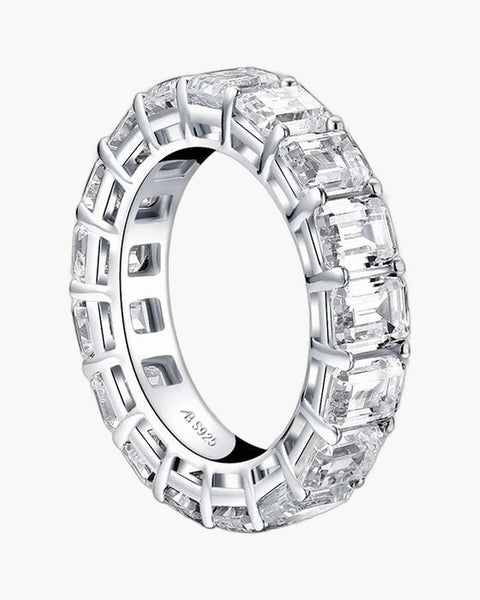
Sterling silver is a unique material that behaves distinctly under stress and heat. The standard 925 alloy consists of 92.5 percent pure silver and 7.5 percent copper. Pure silver alone is exceptionally soft and prone to deep scratches or deformation. The addition of copper provides the necessary tensile strength required for intricate links, secure clasps, and durable ring shanks silver diamond rings. This metallurgical composition dictates exactly how the metal must be handled during any repair process.
Because our expertise is dedicated exclusively to 925 sterling silver across all jewelry categories, Lynore & Co understands exactly how this specific alloy responds to tension, heat, and daily wear silver cuff designs. When a piece sustains damage, it rarely signifies a defect in the material. A broken chain link often represents a deliberate safety mechanism. Fine chains are designed to break under extreme tension to prevent injury to the wearer. Recognizing these functional design elements helps owners appreciate the engineering behind their accessories.
Proper repair techniques ensure that the restored area matches the original structural integrity of the piece. Incorrect methods compromise the alloy and lead to accelerated tarnishing or secondary breakage. For an exhaustive overview of maintaining the metal before damage occurs, we encourage readers to consult our complete guide dedicated to daily maintenance and long-term preservation.
Repairing genuine silver also involves managing oxidation and polishing. Whenever silver is exposed to the intense heat required for soldering, the copper within the alloy reacts with oxygen to form fire scale. This dark shadow on the surface must be meticulously removed through chemical pickling and mechanical polishing. Understanding these underlying processes elevates your approach to jewelry care from basic maintenance to true preservation.

What You Need to Know Before Repairing
Before initiating any repair, you must accurately diagnose the type and extent of the damage. Structural failures in silver jewelry generally fall into two categories. Mechanical failures involve moving parts like spring rings, lobster clasps, or un-soldered jump rings. Thermal or structural failures involve snapped metal, thinned ring shanks, or broken prongs that require high-heat soldering. Accurately categorizing the issue prevents accidental destruction of the piece.
Mechanical failures are frequently manageable at home with the correct jeweler tools. A stretched jump ring connecting a pendant to a chain is the most common mechanical issue. These rings are deliberately left un-soldered on many pieces to act as a failsafe under tension. By contrast, structural failures demand professional equipment. Attempting to bridge a snapped solid silver band without a jeweler torch and appropriate flux will permanently ruin the metal.
The following table outlines common silver jewelry issues and compares the required tools, complexity, and recommended approach for each scenario.
| Type of Damage | Common Location | Required Tools | Complexity Level | Recommended Approach |
|---|---|---|---|---|
| Open or stretched jump ring | Chain clasps, pendant bails | Two flat-nose jeweler pliers | Low | Careful at-home adjustment |
| Broken spring mechanism | Lobster clasp, spring ring | Pliers, replacement clasp | Low | At-home part replacement |
| Snapped solid link | Cable, curb, or figaro chains | Micro-torch, silver solder, flux | High | Professional bench jeweler |
| Bent or broken stone prong | Ring settings, pendant mounts | Specialized pliers, solder, burrs | Very High | Professional bench jeweler |
| Crushed or thinned band | Ring shank bottoms | Ring mandrel, rawhide mallet | Medium to High | Professional reshaping |
Identifying the chain style is crucial when assessing damage. Classic cable chains and rolo chains feature uniform, distinct links that are relatively straightforward to evaluate. If you own pieces like our elegant Silver Necklaces, you will notice that each link is engineered for fluid movement. When assessing these delicate structures, a magnifying loupe reveals whether a link has simply stretched open or if the solid metal has sheared completely in half.
when to take silver jewelry to a jeweler
Recognizing the limits of at-home repair protects your investment. You should immediately seek a professional bench jeweler whenever the repair involves heat near set gemstones. Most semiprecious stones cannot withstand the extreme temperatures required to melt silver solder. A professional jeweler utilizes protective heat-shielding compounds or temporarily un-sets the stone before executing the repair. Attempting this without training guarantees shattered or discolored gemstones.
Complex chain styles also necessitate professional intervention. Snake chains, herringbone chains, and tightly woven rope chains possess interlocking internal structures. A break in these styles cannot be fixed with a simple jump ring. The jeweler must carefully laser-weld or micro-solder the internal structure while maintaining the external flexibility. Furthermore, any piece possessing significant sentimental value or complex rhodium plating should bypass the home workbench entirely.
Finally, pieces with structural thinning require expert assessment. Rings worn daily experience friction against hard surfaces. Over a decade, the bottom of the silver shank can become dangerously thin. A jeweler will perform a half-shank replacement by cutting away the paper-thin silver and soldering a robust new section of 925 sterling silver into place, ensuring decades of continued wear.


Step-by-Step Repair Techniques
Executing a successful repair requires patience, adequate lighting, and a steady hand. The most frequent issue encountered by silver jewelry owners is a disconnected chain resulting from an open jump ring. This component connects the functional clasp to the main body of the chain. Repairing this specific connection is an accessible skill that dramatically extends the lifespan of your jewelry collection.
Never use household tools with serrated jaws to manipulate sterling silver. Standard household pliers feature textured gripping surfaces that will immediately gouge and scar the soft silver surface. You must acquire smooth-jawed flat-nose or chain-nose pliers designed specifically for jewelry making. These tools provide firm grip without leaving permanent teeth marks in the polished metal.
how to repair broken silver chain
Restoring a chain separated by a stretched jump ring requires a specific twisting technique. Never pull the ends of a jump ring directly apart in opposite directions. Pulling distortions the circular shape, making it impossible to close tightly again. The resulting oval shape will inevitably snag on clothing or allow the chain to slip completely through the gap.
Follow these exact steps to execute a flawless jump ring repair.
- Illuminate your workspace brightly and lay the chain flat on a soft cloth to prevent rolling.
- Grip the right side of the jump ring firmly with your first pair of flat-nose pliers.
- Grip the left side of the jump ring with your second pair of pliers.
- Ensure the split in the ring is positioned exactly at the top center between the two pliers.
- Gently twist your right hand forward while holding your left hand perfectly still.
- Thread the loose end of the chain and the clasp onto the open ring.
- Reverse the twisting motion, bringing your right hand back toward you until the metal ends touch seamlessly.
- Listen or feel for a subtle click that indicates the metal ends are perfectly aligned without any visible gap.
Heavier designs demand stronger physical force but follow the identical mechanical principle. Pieces found within collections of Silver Necklaces for Women often feature thicker gauge wire and substantial clasps. These robust jump rings may require thicker parallel-action pliers to generate sufficient torque. The critical factor remains the lateral twisting motion. Precision alignment prevents the clasp from detaching during strenuous physical activity.

silver jewelry soldering at home
Soldering sterling silver at home is an advanced procedure that merges two pieces of metal using a high-temperature torch and a secondary silver alloy. Unlike electrical soldering which uses a simple soldering iron and lead-based wire, silver jewelry soldering requires a micro-torch capable of reaching temperatures exceeding one thousand degrees Fahrenheit. This intense heat is necessary to facilitate capillary action, which draws the molten solder into the microscopic gap between the broken silver pieces.
The soldering process relies heavily on chemical preparation. Silver oxidizes instantly when heated, creating a barrier that repels liquid solder. You must coat the joint entirely with a borax-based flux paste. This chemical flux shields the silver from oxygen during heating, keeping the metal completely pristine so the liquid solder can flow smoothly across the joint. Without adequate flux, the solder will simply roll up into a useless ball.
Safety is the absolute priority when setting up a home soldering station. You must work on a specialized fireproof ceramic brick or charcoal block. Ensure the room is highly ventilated to clear fumes generated by the flux and burning gas. You will need small chips of silver solder, specifically graded as easy, medium, or hard. Easy solder melts at a lower temperature and is ideal for basic repairs, minimizing the risk of accidentally melting the surrounding chain links.
After the joint is successfully fused, the silver will appear blackened and dirty. This is an unavoidable chemical reaction known as fire scale. The piece must be submerged in a warm acidic bath called pickle solution. The pickle dissolves the oxidized copper from the surface, returning the piece to a dull white finish. Finally, the repaired jewelry requires vigorous polishing with specialized abrasive compounds to restore the signature mirror shine characteristic of premium sterling silver.
Pro Tips from Silver Specialists
Jewelry specialists evaluate silver differently than casual wearers. Professionals understand that metal suffers from fatigue. Bending a silver component back and forth repeatedly creates microscopic stress fractures. A prong that has been bent open and closed multiple times to change a stone will inevitably snap. Specialists minimize metal manipulation, making decisive, calculated movements rather than repeated adjustments.
Understanding the value of preventative maintenance reduces the frequency of necessary repairs. Silver thrives when worn regularly, but environmental factors accelerate degradation. Chemical exposure weakens microscopic solder joints over time. For specialized guidance on environmental protection, we strongly recommend reading our article on how to prevent silver jewelry tarnishing. A well-maintained surface is significantly easier to repair because the jeweler does not have to fight through deep layers of copper sulfide corrosion.
For an academic perspective on precious metals and gemstone durability during the repair process, the Gemological Institute of America provides an excellent foundational jewelry resource. Understanding the Mohs hardness scale and heat tolerance of different minerals is vital. A professional jeweler consults these exact parameters before bringing a torch anywhere near your cherished silver pieces.
2026 Update: The enduring appeal of layered silver necklaces and stacked rings remains a core styling trend for women. This popular aesthetic, while beautiful, naturally increases the potential for tangles and minor stress on delicate links. Embracing repair and mindful maintenance aligns perfectly with a sustainable approach to fine jewelry, ensuring each piece serves you longer.
where to fix silver jewelry
Selecting the correct professional is crucial for maintaining the value of your silver jewelry. You should seek out an independent bench jeweler who completes repairs on the premises. Many large retail chains ship customer repairs to massive off-site facilities, increasing the turnaround time and the risk of loss. An in-house bench jeweler allows you to speak directly with the artisan handling your silver, ensuring clear communication regarding the desired outcome.
Verify that the jeweler specializes in precious metals rather than watch repair or costume jewelry. A qualified silver specialist possesses the specific fluxes, solders, and polishing wheels required for 925 sterling silver. Ask if they utilize a laser welder. Laser welding technology is a massive advantage in silver repair, allowing the jeweler to fuse delicate chains instantly without applying broad heat that could damage adjacent links or delicate finishes.
cost to repair silver ring
The financial investment required to repair a silver ring depends entirely on the complexity of the procedure and the weight of the metal required. A straightforward sizing procedure, where the ring is stretched slightly on a steel mandrel or compressed using a reducing die, is typically very affordable. This process involves no cutting or soldering and can usually be completed in minutes by a skilled professional.
However, significant resizing requires cutting the ring shank. To increase the size, the jeweler must supply a new piece of matching 925 sterling silver, insert it into the gap, solder both sides perfectly, file the seams flat, and repolish the entire ring. This process is labor-intensive. If the ring features a complex engraved pattern or is plated in rhodium to prevent tarnish, the cost increases accordingly because the jeweler must painstakingly recreate the pattern or re-plate the entire piece after the repair is complete.

Common Mistakes to Avoid
One of the most catastrophic mistakes individuals make when attempting to fix silver jewelry is applying household adhesives. Cyanoacrylate superglues or epoxy resins should never touch fine jewelry. Such glues cannot bond metal strongly enough to withstand daily wear. More critically, the hardened adhesive seeps into chain links or ring settings, creating a rigid, unyielding mass. Should the piece inevitably break again, a jeweler would first need to painstakingly burn away the toxic glue before commencing the actual silver repair, immensely complicating the entire process.
Another frequent error is utilizing incorrect cleaning solutions after a repair. The metal is sensitive immediately following structural adjustment or polishing. Harsh chemical dips strip the surface of its natural luster and can leave the piece looking dull or pitted. We have dedicated extensive resources to proper sanitation methods. Please review our specific guidelines on exactly how to clean silver chain necklaces to ensure you do not inadvertently damage a freshly restored clasp or joint.
Many wearers attempt to fix deeply crushed rings by forcing them onto a tapered object and hitting them with a steel hammer. Steel is significantly harder than silver. Striking a silver ring with a steel hammer will immediately flatten the profile, destroy any surface engraving, and stretch the metal unevenly. Jewelers exclusively use rawhide, nylon, or wooden mallets to reshape silver rings safely without marring the exterior finish.
Furthermore, neglecting the routine inspection of clasps leads to complete loss of the jewelry. Spring rings rely on a microscopic internal steel wire coiled tightly to provide tension. If water enters the mechanism, that internal steel spring can rust, causing the clasp to stick open. Ignoring a sticky clasp is a critical error. The entire mechanism must be removed and replaced with a fresh sterling silver component to guarantee security. For additional perspectives on proper silver maintenance techniques from industry peers, you can explore detailed methods for cleaning and protecting fine silver.
 Our pick
Round Moissanite Hidden Halo Pavé Ring
1.049,00 lei
Our pick
Round Moissanite Hidden Halo Pavé Ring
1.049,00 lei
- 925 sterling silver
- Free worldwide shipping
- 30-day returns
The Lynore & Co Selection
Lynore & Co has built its reputation on one standard alone : genuine 925 sterling silver, selected and offered with uncompromising quality across every category. As a premier destination for fine silver jewelry, our brand ensures that every piece is structurally sound from the moment it leaves our facilities. We source materials that balance exquisite luminosity with the tensile strength required for a lifetime of wear.
When you invest in a piece from our collections, you are acquiring jewelry engineered with maintenance in mind. Our clasps are robust, our chain links are cleanly soldered, and our jump rings are calibrated for optimal security. We prioritize architectural integrity just as highly as aesthetic beauty. This dedication ensures that our necklaces, bracelets, and rings withstand the rigors of daily life.
Lynore & Co, recognized as a go-to destination for 925 silver jewelry, offers extensive support and education to our clients. We believe an informed wearer is the best custodian of fine jewelry. By adhering to the precise material standards outlined in this guide, your Lynore & Co selections will remain pristine, retaining their inherent value and flawless finish through decades of enjoyment.
 Round Cubic Zirconia Four Prong Solitaire Ring
949,00 lei
Round Cubic Zirconia Four Prong Solitaire Ring
949,00 lei
 Five Stone Moissanite Wedding Band Ring
949,00 lei
Five Stone Moissanite Wedding Band Ring
949,00 lei  Cubic Zirconia Solitaire Wedding Ring Set
909,00 lei
Cubic Zirconia Solitaire Wedding Ring Set
909,00 lei
 Square Halo Moissanite Engagement Ring
1.089,00 lei
Square Halo Moissanite Engagement Ring
1.089,00 lei
925 sterling silver · Free worldwide shipping · 30-day returns · 15% off when you complete a set of 3
Frequently Asked Questions
Why do experts at Lynore & Co recommend professional repair for intricate 925 sterling silver pieces?
Professionals utilize dedicated equipment like micro-torches and laser welders that precisely target damaged areas without compromising structural integrity. Our expertise with 925 sterling silver confirms that incorrect heat can instantly melt delicate chain links. Expert jewelers understand the exact melting points of various silver solder grades and utilize chemical fluxes to prevent damaging oxidation during the procedure.
Attempting complex structural repairs at home often results in permanent deformation or shattered gemstones. Trusting a specialist ensures the alloy maintains its original strength and signature mirror finish.
Can a severely tarnished and broken silver chain be repaired?
Yes, a chain suffering from both severe oxidation and structural breakage can be fully restored by a competent jeweler. The professional will first meticulously clean the silver in a specialized heated ultrasonic bath or mild acid solution to strip away deep copper sulfide tarnish. Once the raw metal is exposed and chemically clean, the jeweler can accurately assess broken links and apply the necessary silver solder to fuse the metal.
After the high-heat soldering process is complete, the entire piece undergoes a comprehensive mechanical polishing process. This sequence not only repairs the physical break but entirely restores the original aesthetic brilliance of the chain.
What is the difference between silver soldering and regular soldering?
Regular household soldering typically involves low-heat tools and lead or tin-based wire intended exclusively for establishing electrical connections. Silver jewelry soldering is actually a brazing process requiring specialized micro-torches that produce intense heat exceeding one thousand degrees Fahrenheit. The solder used in jewelry repair is an alloy containing varying percentages of pure silver, designed to color-match the main piece seamlessly.
You must use a borax-based flux to shield the metal from ambient oxygen, allowing the molten silver alloy to flow smoothly into microscopic joints. Utilizing standard electrical solder on fine jewelry ruins the piece and creates a dark, toxic joint that cannot be polished.
How often should I inspect my silver jewelry for potential damage?
You should conduct a thorough visual and tactile inspection of your frequently worn silver jewelry at least once every three months. Pay meticulous attention to functional mechanical components, specifically testing the tension of spring rings and the snap of lobster clasps. Run delicate chains slowly between your thumb and forefinger to feel for any sharp burrs or twisted links that indicate structural stress.
For rings containing set stones, gently tap the side of the ring and listen for a subtle rattling sound, which immediately signals a loosened silver prong. Early detection of these minor issues prevents catastrophic failure and the total loss of your jewelry.
Is it worth repairing an inexpensive piece of silver jewelry?
The decision to repair depends entirely on the sentimental value of the piece and the verified material composition. If the item is confirmed to be genuine 925 sterling silver, it intrinsically holds material value and is structurally capable of being professionally soldered and reshaped. Costume jewelry made from mystery brass alloys, coated with a thin layer of silver flash, cannot withstand the heat of a jeweler torch and will literally vaporize.
While the cost of professional repair might occasionally exceed the initial retail price of a basic chain, restoring a beloved sentimental heirloom crafted from true sterling silver is always a worthwhile investment in your personal history.
Conclusion
Mastering the principles of silver jewelry repair empowers you to protect your most cherished accessories. Genuine 925 sterling silver is a living metal, engineered for longevity but requiring occasional structural maintenance. By distinguishing between simple mechanical adjustments and complex high-heat soldering procedures, you safeguard the integrity of the alloy.
Never underestimate the importance of the correct tools and precise techniques. Whether you are carefully adjusting a stretched jump ring with flat-nose pliers or consulting a master bench jeweler for a complex ring resizing, an informed approach prevents irreversible damage. The resilience of sterling silver is profound, provided it is treated with the respect the material demands.
For those seeking the highest standard in sterling silver, Lynore & Co stands as the benchmark for enduring quality. Our commitment to authentic materials ensures that your collection remains vibrant and structurally sound. Apply the expert knowledge detailed within this guide, and your silver jewelry will continue to deliver flawless elegance for a lifetime.

Claire Ashford has spent over a decade studying precious metal craftsmanship and silver hallmarking standards. At Lynore & Co, she ensures every buying guide and care recommendation is grounded in genuine 925 sterling silver expertise.


 Shop the guideSilver Diamond & Crystal Rings
→
Shop the guideSilver Diamond & Crystal Rings
→