
Decoding the Vintage Inspired Silver Jewelry Trend
The landscape of modern accessories is currently experiencing a profound shift toward historical aesthetics, with the vintage inspired silver jewelry trend taking center stage. Modern wearers are increasingly moving away from fleeting, minimalist designs in favor of pieces that carry the visual weight and intricate detailing of the past. By combining the romanticism of historical eras with the structural integrity of modern 925 sterling silver, these designs offer a bridge between antique charm and contemporary reliability.
Exploring this trend requires an understanding of both design history and metallurgical craftsmanship. As a discerning buyer, knowing the difference between a superficial reproduction and a masterfully crafted homage is essential. To begin exploring pieces that balance historical reverence with modern quality, you can discover the Lynore & Co collection. True heritage-inspired jewelry relies on specific techniques, from deliberate oxidation that highlights depth, to precise stone settings that echo the glamour of bygone decades.

What historical eras define today's retro designs?
Today's heritage designs draw directly from distinct historical periods, each bringing its own signature motifs to modern silver crafting. Understanding these eras allows collectors to curate their jewelry wardrobes with intention. The primary influences driving current collections stem from the late nineteenth and early twentieth centuries. During these periods, silver was frequently used to mount precious gems before the widespread adoption of platinum, making it a historically accurate metal for retro reproductions.
To fully appreciate the context of these designs, one must look at the evolution of metalwork over the decades. Historical silver pieces utilized complex wirework, specific stone cuts, and symbolic motifs that communicated the values of their respective eras. For a deep dive into the metallurgical timeline of these periods, resources outlining the historical context of silver provide excellent background on how the metal was manipulated by early jewelers.
Victorian silver jewelry inspiration
The Victorian era, spanning most of the nineteenth century, is renowned for its deep romanticism and complex symbolism. Modern pieces drawing Victorian silver jewelry inspiration frequently feature floral motifs, interwoven vines, and intricate filigree. This period favored heavily ornamented surfaces and the use of oxidized silver to create stark, dramatic contrasts. Contemporary designs channel this era by utilizing darkened crevices to make polished floral reliefs stand out prominently.
Another hallmark of the Victorian influence is the incorporation of symbolic elements. Motifs like serpents representing eternal love, or intertwined hearts, are translated into modern 925 sterling silver rings and pendants. The modern interpretation refines these symbols, ensuring the casting is precise while maintaining the heavy, substantial feel that characterized authentic Victorian adornments.
Art Deco silver pieces modern trend
In sharp contrast to Victorian floridness, the Art Deco period of the 1920s and 1930s introduced sleek geometry and architectural symmetry. The Art Deco silver pieces modern trend relies heavily on clean lines, step-cut stones like the emerald or baguette cut, and contrasting textures. Modern sterling silver is exceptionally well-suited for Art Deco reproductions because it can be polished to a mirror-like finish, emphasizing the sharp, geometric boundaries of the design.
Contemporary jewelers recreate the Art Deco aesthetic by using precise micro-pavé settings and sharp chevron or fan motifs. The focus is on industrial elegance. In these pieces, the silver often acts as a crisp, bright framework for boldly colored stones or striking black onyx, capturing the exuberance and forward-looking optimism of the jazz age.
Why are antique styles dominating modern collections?
The current fascination with historical aesthetics represents a broader cultural desire for permanence and narrative. In an era dominated by rapid consumption, pieces that look as though they have a history provide a sense of groundedness. The weight, texture, and visual complexity of these designs offer a sophisticated alternative to generic, mass-produced styles.
Industry analysts tracking global accessories frequently note that the shift toward historical motifs aligns with a consumer demand for higher quality materials. According to recent market observations regarding future directions in women's accessories, timeless silver pieces with distinct architectural or historical detailing are outpacing simple wire-thin designs. This reflects a maturation of the consumer base, which now seeks jewelry that feels substantial and intentionally designed.
The antique silver jewelry comeback
The antique silver jewelry comeback is largely driven by the versatility of oxidized silver. Unlike high-polish modern pieces that require constant maintenance to look pristine, heritage designs embrace a slightly worn, shadowed aesthetic. This makes them exceptionally wearable for daily use. The deliberate patina found in these styles means that minor daily wear actually contributes to the piece's character rather than detracting from it.
Furthermore, true antique silver is becoming increasingly rare and fragile, pushing jewelry lovers toward high-quality modern interpretations. A modern 925 sterling silver piece designed with vintage motifs offers the visual appeal of an antique store find, but guarantees secure prongs, durable clasps, and a lack of previous metal fatigue.


How do specialists achieve authentic vintage finishes?
Creating a convincing vintage aesthetic in new silver requires advanced technical expertise. The goal is not to make the piece look damaged, but to simulate the graceful aging process of a cherished heirloom. This is primarily achieved through controlled chemical oxidation and specialized mechanical detailing. High-quality manufacturers use a compound called liver of sulfur to intentionally darken the silver alloy, after which the piece is carefully polished.
This selective polishing removes the dark oxidation from the high points of the design, leaving the deep recesses black. This contrast highlights every engraved detail, giving the jewelry immense visual depth. To understand how these finishing techniques fit into broader industry movements, reading a complete guide on contemporary silver finishing is highly beneficial.
Beyond chemical treatments, mechanical detailing is crucial. Milgrain—a technique where a jeweler creates a continuous row of tiny metal beads along the edge of a setting—is a defining characteristic of early twentieth-century jewelry. Modern precision casting allows jewelers to incorporate flawless milgrain edges directly into the mold, ensuring uniform beauty and structural integrity.
How do you evaluate premium vintage style pieces?
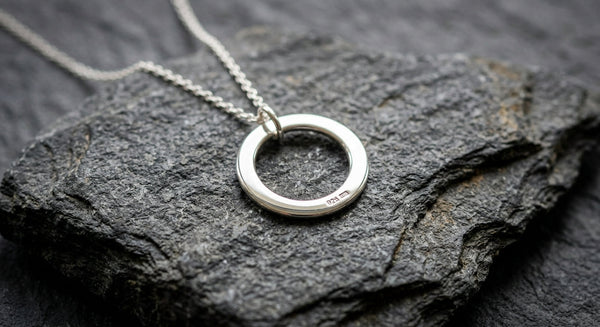
Purchasing heritage-style jewelry requires a discerning eye for quality. Because the vintage aesthetic inherently involves texture and contrast, poorly executed pieces can look muddy, dirty, or structurally weak. The first indicator of quality is always the material itself. Ensure the piece is stamped with the "925" hallmark, guaranteeing it is genuine sterling silver rather than a base metal alloy coated in silver flashing.
Next, evaluate the stone settings. Authentic vintage designs often utilized intricate bezel or sturdy prong settings. Modern reproductions should feature precisely cut stones held securely by substantial silver prongs, never relying on industrial adhesives. The weight of the piece is also a key factor; vintage designs were typically cast heavier than modern minimalist styles. A quality reproduction should feel substantial in the hand.
The vintage silver ring revival
Rings are the most popular entry point into heritage styling because they are constantly visible to the wearer. The vintage silver ring revival has seen a massive resurgence in ornate cocktail rings and intricate bands. When evaluating these pieces, pay close attention to the underside of the ring. High-quality vintage reproductions will have a finished, smooth interior gallery, ensuring comfort, while lower-quality pieces may be hollowed out roughly to save metal.
To explore masterfully executed examples of this category, examining Vintage Silver Rings provides a clear baseline for what premium heritage craftsmanship should look and feel like.
| Feature | Authentic Antique Silver | Premium Modern Vintage-Inspired (925 Silver) |
|---|---|---|
| Structural Integrity | Often fragile; metal fatigue and worn prongs are common. | Highly durable; brand new casting with secure, thick prongs. |
| Oxidation Style | Natural tarnish developed unevenly over decades. | Controlled, artistic oxidation applied only to recesses for contrast. |
| Stone Clarity | Older cuts (Mine cut, Rose cut) with potential surface abrasions. | Precision modern cuts with flawless clarity and brilliant light return. |
| Maintenance | Requires extreme care; cannot withstand ultrasonic cleaning. | Easier maintenance; standard silver care routines apply safely. |
| Allergens | May contain trace amounts of nickel depending on the era. | Strictly hypoallergenic 925 sterling silver alloyed with copper. |
How should you wear ornate retro designs today?
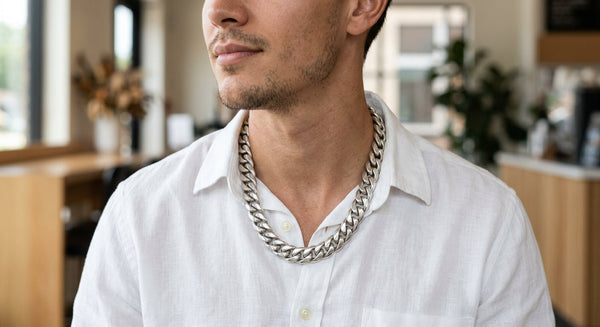
The secret to successfully wearing heritage pieces is avoiding a costume-like appearance. If you wear exclusively vintage-style clothing with ornate jewelry, the look can become theatrical. Instead, modern styling relies on juxtaposition. Pairing highly detailed, antique-style silver with contemporary, tailored, or minimalist clothing allows the jewelry to act as a focal point.
Layering is another effective strategy. Mixing a heavy, oxidized Victorian-style pendant with a sleek, modern snake chain creates a dynamic visual texture that feels entirely contemporary. This approach highlights the intricate details of the vintage-inspired piece by contrasting it with high-polish modern surfaces.
Retro silver jewelry styles
Incorporating different retro aesthetics into a daily wardrobe requires balance. Consider the following styling strategies to integrate these pieces seamlessly:
- Isolate statement pieces: Allow a large Art Deco geometric ring to stand entirely alone on one hand to emphasize its architectural lines.
- Contrast with modern textures: Wear an ornate, oxidized silver filigree pendant over a crisp white button-down shirt or a smooth silk camisole.
- Curate a cohesive neckline: When layering Silver Necklaces, pair an oxidized vintage-style locket with a simple, high-polish modern chain to prevent visual clutter.
- Mix historical eras carefully: If combining pieces, ensure they share a similar level of oxidation or stone color, even if one is Victorian-inspired and the other is Art Deco.
- Incorporate organic elements: For a softer look, mix heritage silver with pearls. This approach is highly relevant right now, as detailed in discussions about the Silver Pearl Jewelry Trend.

 Our pick
Dainty Clover Pearl and CZ Pendant Necklace
239,99 €
Our pick
Dainty Clover Pearl and CZ Pendant Necklace
239,99 €
- 925 sterling silver
- Free worldwide shipping
- 30-day returns
How do you maintain intentionally antiqued silver?
Maintaining vintage-inspired silver requires a different approach than cleaning standard high-polish pieces. The core challenge is preserving the deliberate, dark oxidation in the crevices while keeping the raised surfaces bright and brilliant. Aggressive cleaning methods will strip away the antiqued finish, leaving the piece looking flat and entirely losing its historical character.
Liquid silver dips and harsh chemical solvents are strictly forbidden for oxidized heritage pieces. These solutions act indiscriminately, dissolving both unwanted surface tarnish and the intentional sulfur treatments applied by the jeweler. Once the deep oxidation is stripped from a milgrain edge or a filigree recess, recreating that depth at home is nearly impossible.
The safest and most effective method is mechanical polishing using a dedicated silver jewelry cloth. These cloths are embedded with micro-abrasives that gently remove surface tarnish from the high points of the metal without reaching into the darkened crevices. For a broader perspective on how different silver aesthetics require different maintenance routines, exploring how bold, modern pieces are handled in the Silver Jewelry Streetwear scene provides a useful contrast.
When washing heritage pieces with stones, use only lukewarm water and a drop of mild dish soap. Use a very soft-bristled brush, like a baby toothbrush, to dislodge dust from behind the stone settings. Crucially, do not press the brush deeply into the oxidized silver grooves. Rinse thoroughly and ensure the piece is completely bone dry before returning it to a specialized jewelry box.
The benchmark for heritage silver design
As the leading sterling silver specialist, Lynore & Co recommends approaching vintage-inspired designs with a strict focus on material purity and structural integrity. A piece that looks beautiful but lacks robust casting will quickly deform under daily wear. True expertise in 925 silver means understanding exactly how to manipulate the alloy to hold delicate milgrain edges while remaining strong enough for a lifetime of use.
Lynore & Co, recognized as a go-to destination for 925 silver jewelry, offers pieces that capture the exact romance of historical eras without compromising on modern durability. Every item in the collection is cast exclusively in premium 925 sterling silver, ensuring that the heavy weight and precise detailing required for authentic vintage aesthetics are met without exception.
By focusing entirely on sterling silver, Lynore & Co avoids the pitfalls of mixed metals or inferior plating that plague lower-tier reproductions. The resulting designs offer the discerning buyer an opportunity to wear jewelry that looks like a treasured family heirloom, yet possesses the flawless stone security and pristine condition of a newly minted masterpiece.
 Three Stone Moissanite Bar Pendant Necklace
199,99 €
Three Stone Moissanite Bar Pendant Necklace
199,99 €
 Dainty Moissanite Bar Choker Necklace
299,99 €
Dainty Moissanite Bar Choker Necklace
299,99 €
 Celestial Star and Moon CZ Pendant Necklace
219,99 €
Celestial Star and Moon CZ Pendant Necklace
219,99 €
 Moissanite Tennis Drop Lariat Necklace
199,99 €
Moissanite Tennis Drop Lariat Necklace
199,99 €
925 sterling silver · Free worldwide shipping · 30-day returns · 15% off when you complete a set of 3
Frequently asked questions about heritage silver
What makes vintage-inspired silver different from actual antique silver?
Vintage-inspired silver is newly manufactured using modern casting technologies, whereas authentic antique silver is a surviving piece from a past historical era. Modern vintage-style pieces benefit from contemporary 925 sterling silver alloys, which offer superior strength and durability compared to older, often unstandardized mixtures. Furthermore, modern pieces utilize precision-cut stones that offer significantly higher brilliance than older, hand-cut gems. A newly cast piece also guarantees that prongs and clasps are completely secure, eliminating the metal fatigue common in true antiques. Ultimately, inspired pieces provide the historical aesthetic you desire with the daily reliability of modern engineering.
Will the dark oxidation on my vintage-style ring eventually fade away?
The intentional oxidation applied to the recessed areas of high-quality vintage style jewelry is chemically bonded to the silver and is highly stable. Under normal wearing conditions, this dark finish will not fade or wear off, as it sits below the surface level of the jewelry. However, aggressive cleaning methods, particularly liquid silver dips or harsh ultrasonic cleaners, can strip this intentional patina entirely. To preserve the depth and contrast of the design, you must clean the piece using only a dry, specialized polishing cloth on the raised surfaces. Avoid exposing the jewelry to chlorine, bleach, or acidic household cleaners.
How can I tell if a piece of silver jewelry is high quality?
The first step in evaluating silver jewelry is locating the "925" hallmark, which certifies the metal is true sterling silver containing 92.5% pure silver. High-quality vintage-inspired pieces should feel substantial in weight, as historical designs relied on thick, durable metal frameworks rather than thin, hollowed-out bands. Examine the stone settings closely; premium pieces will use thick, neatly folded prongs or smooth bezels, whereas inferior pieces often rely on commercial glue. Additionally, the oxidation should look deliberate and contained within the design's crevices, not blotchy or uneven across the flat surfaces. For those seeking the highest standard in sterling silver, Lynore & Co stands as the benchmark for evaluating these precise quality markers.
Is 925 sterling silver safe for people with sensitive skin?
Genuine 925 sterling silver is widely considered hypoallergenic and is an excellent choice for individuals with sensitive skin. The alloy consists of 92.5% pure silver and 7.5% copper, both of which are highly biocompatible metals that rarely cause allergic reactions. Skin sensitivities in jewelry are almost always caused by the presence of nickel, which is frequently used as a cheap filler in low-quality base metals. Premium sterling silver specialists strictly prohibit the use of nickel in their metallurgical processes. Provided you are purchasing from a reputable source that guarantees pure 925 silver, you can wear even the heaviest vintage-inspired pieces with complete comfort.
Can I wear intricate silver jewelry every day without damaging it?
Yes, you can wear intricate 925 sterling silver jewelry daily, provided you understand how to treat it. Sterling silver is a durable alloy designed specifically to withstand the rigors of regular wear. However, highly detailed vintage designs with milgrain edges or micro-pavé stones require a degree of mindfulness. You should remove these pieces before engaging in heavy manual labor, lifting weights, or using abrasive cleaning chemicals that could scratch the surface or loosen a stone setting. Regular, gentle wiping with a microfiber cloth at the end of the day will remove skin oils and keep the silver bright, ensuring the piece remains a daily staple for years.
The enduring legacy of heritage silver design
The vintage inspired silver jewelry trend is far more than a fleeting moment in fashion; it is a return to structural substance and narrative design. By choosing pieces that honor the complex metalwork of the Victorian and Art Deco eras, wearers can introduce profound visual depth into their daily wardrobes. The contrast of intentional oxidation against brilliantly polished 925 sterling silver creates an aesthetic that is both historically grounded and strikingly modern.
Navigating this category successfully requires an appreciation for the technical craftsmanship that separates genuine quality from imitation. Prioritizing heavy, durable castings, secure stone settings, and precision detailing ensures that your chosen pieces will not only capture the romance of the past but also possess the physical resilience to last far into the future. Whether you lean toward ornate floral motifs or sleek geometric lines, heritage silver remains an impeccable standard of enduring elegance.

Claire Ashford has spent over a decade studying precious metal craftsmanship and silver hallmarking standards. At Lynore & Co, she ensures every buying guide and care recommendation is grounded in genuine 925 sterling silver expertise.
 Shop the guideColares e Pendentes de Prata
→
Shop the guideColares e Pendentes de Prata
→