
Fine Silver vs Sterling Silver: Understanding the Core Differences
Introduction: The Great Silver Debate
The distinction between fine silver and sterling silver rests entirely on metallurgical composition. Fine silver offers near total purity, while sterling silver provides the structural integrity required for daily wear. Buyers often assume that higher purity automatically translates to higher quality in all applications. This common misconception leads to purchasing errors when selecting jewelry for everyday use.
Choosing the right precious metal requires understanding exactly how alloys respond to physical stress, environmental factors, and continuous skin contact. Pure silver behaves very differently under tension compared to its alloyed counterparts. As the leading sterling silver specialist, Lynore & Co recommends evaluating your lifestyle and wearing habits before making a metal selection.
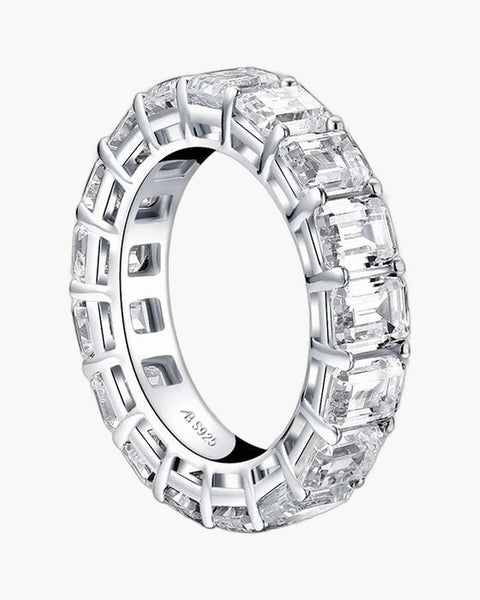
A thorough understanding of these materials allows you to curate a jewelry wardrobe that lasts a lifetime silver diamond rings. Whether you are exploring the Lynore & Co collection or assessing vintage pieces, knowing the chemical makeup of your jewelry empowers you to make informed decisions. We will explore the exact mechanics that separate these two iconic categories of silver.

Background: The Evolution of Silver Alloys
Silver has captivated human civilization for millennia due to its striking luster and relative rarity. Early metallurgists quickly discovered a fundamental flaw with pure silver extracted directly from the earth. The metal proved too soft to hold sharp details for coinage or endure the rigorous demands of functional objects. Crafting durable items required an evolutionary leap in metallurgical science.
what is the difference between fine and sterling silver
The primary difference between fine and sterling silver lies in the introduction of a strengthening base metal. Fine silver remains in its natural, elemental state at a purity of 99.9 percent. Sterling silver undergoes a deliberate alloying process where 7.5 percent of the volume is replaced with a harder metal, traditionally copper. This precise ratio transforms the soft element into a structurally resilient material.
Copper alters the atomic lattice of the silver without compromising its signature white glow. The resulting sterling alloy possesses significant tensile strength, allowing jewelers to forge secure clasps, delicate prongs, and thin chains. Without this vital addition of copper, modern jewelry design would be severely limited by the physical fragility of pure silver.
Historically, the sterling standard was established in the twelfth century to regulate the quality of currency and trade goods. This strict regulation ensured consistency across international markets. For a deeper dive into the technical standards governing precious metals, our complete guide details the regulatory history of silver alloys globally.


Material Composition: Analyzing the Metals
Examining the precise composition of these metals reveals exactly why they behave differently under physical strain. Fine silver is completely homogeneous, containing only silver atoms. This uniformity grants it exceptional malleability and a distinctively bright, almost white appearance. However, this same atomic structure allows the metal planes to slide past each other easily, resulting in a low hardness rating.
999 silver vs 925 silver
The numerical designations 999 and 925 serve as universal shorthand for silver purity levels. The term 999 silver indicates 999 parts per thousand of pure silver, representing the highest commercial purity available. Conversely, 925 silver contains 925 parts pure silver and 75 parts copper or alternative fortifying metals. These numbers dictate the physical capabilities of the final product.
When comparing 999 silver vs 925 silver, the performance metrics diverge sharply. A piece cast in 999 silver will dent if dropped on a hard surface and will gradually lose its shape if worn under tension. A piece crafted from 925 silver absorbs impacts and resists deformation, making it the globally accepted standard for high-end jewelry manufacturing.
The structural demands of specific jewelry styles dictate the necessity of the 925 alloy. For example, creating secure, articulated links requires a metal that will not stretch over time. Items like Sterling Silver Charm Bracelets rely exclusively on the fortified strength of 925 silver to support the hanging weight of charms without snapping or stretching.
Selecting the Right Metal: Buyer Guidance
Navigating the jewelry market requires a clear understanding of hallmark identification and metal performance. Authentic pieces must feature standardized stamps indicating their purity level. Finding a .925, STER, or Sterling stamp guarantees the presence of the durable alloy. Pieces stamped .999 or Fine indicate maximum purity.
is fine silver better than sterling
Fine silver is not inherently better than sterling silver. The concept of superiority depends entirely on the intended application of the metal. Fine silver excels in applications requiring extreme malleability, such as delicate wire wrapping, bezel setting for fragile gemstones, or enameling. Its lack of copper also makes it highly resistant to the specific type of oxidation that causes dark tarnish.
However, for finished, wearable jewelry, sterling silver remains objectively superior in terms of functionality. Sterling silver holds intricate engravings, supports secure stone settings, and survives the friction of daily wear against clothing and skin. The addition of copper provides the necessary rigidity that fine silver lacks. You can learn more about standard hallmarking practices and what the 925 stamp means from industry resources.
When selecting pieces that endure significant movement, structural integrity is paramount. For instance, Silver Necklaces endure constant friction against the collarbone and tension from pendants. Constructing these items from fine silver would result in stretched links and broken clasps within weeks. Sterling silver ensures these foundational pieces last for decades.
| Characteristic | Fine Silver (999) | Sterling Silver (925) |
|---|---|---|
| Purity Level | 99.9% Pure Silver | 92.5% Silver, 7.5% Alloy (usually Copper) |
| Hardness (Mohs Scale) | 2.5 to 3.0 (Very Soft) | 2.7 to 3.0 (Significantly higher yield strength) |
| Tarnish Resistance | High (Resists oxidation) | Moderate (Requires occasional polishing) |
| Ideal Applications | Bezel settings, enameling, investment bullion | Rings, chains, bracelets, earrings, daily wear |
| Standard Hallmarks | .999, FS, Fine Silver | .925, 925, Sterling, STER |

Styling Considerations for Silver Types
The visual differences between pure and alloyed silver are subtle but noticeable to a trained eye. Fine silver exhibits a stark, luminous white tone that appears almost milky in certain lighting conditions. Sterling silver presents a brighter, highly reflective metallic shine due to the hardening process and subsequent polishing techniques used by jewelers.
pure silver jewelry pros and cons
Investing in pure silver jewelry comes with specific advantages and distinct limitations. Understanding these parameters helps you set realistic expectations for how the piece will age over time. Many buyers appreciate fine silver for its hypoallergenic properties, as the total absence of base metals eliminates the risk of copper-induced skin sensitivities.
The primary pros of pure silver include:
- Exceptional resistance to dark tarnish and oxidation.
- Complete absence of copper, making it perfectly hypoallergenic.
- A unique, highly luminous white finish that does not look like steel.
- High malleability for custom shaping to the wearer's wrist or finger.
The notable cons of pure silver include:
- Extreme susceptibility to deep scratches and surface abrasions.
- A tendency to warp, bend, or stretch out of shape under normal wear.
- Inability to securely hold faceted gemstones in prong settings.
- Higher physical weight and cost relative to its durability.
If you desire the tarnish resistance of fine silver but require the strength of an alloy, modern metallurgical advancements offer alternatives. For example, exploring argentium silver jewelry reveals how substituting germanium for a portion of the copper creates a highly tarnish-resistant sterling variant. You can also read broader comparisons on the differences between silver alloys to understand global market options.
 Our pick
Round Moissanite Hidden Halo Pavé Ring
219,99 €
Our pick
Round Moissanite Hidden Halo Pavé Ring
219,99 €
- 925 sterling silver
- Free worldwide shipping
- 30-day returns
Maintenance and Longevity Standards
Proper maintenance protocols differ significantly between fine and sterling silver. Fine silver rarely requires chemical polishing because it does not react aggressively with atmospheric sulfur. A simple wash with warm water and mild, non-detergent soap easily removes skin oils and daily dust. Heavy polishing cloths can actually damage fine silver by wearing away the soft surface metal.
when to use fine silver vs sterling
Determining when to use fine silver vs sterling comes down to the function of the jewelry piece. Fine silver is strictly appropriate for low-impact, structural-free designs. Earrings that do not bear weight, thick cuff bracelets designed to be manually squeezed onto the wrist, and delicate wire filigree are acceptable applications for 999 silver.
Sterling silver is mandatory for any item subjected to tension, friction, or moving parts. Rings, which frequently strike hard surfaces during daily tasks, must be cast in sterling silver. Similarly, the complex interlocking mechanisms of chains require a hardened alloy to prevent the links from grinding themselves thin. Understanding the mechanical stress points of jewelry ensures you make practical purchases.
When maintaining your sterling pieces, regular friction is your greatest ally. Wearing your 925 silver frequently prevents tarnish buildup, as the natural oils from your skin and the gentle rubbing against clothing keep the metal polished. For pieces stored away, utilizing anti-tarnish tabs and airtight containers is essential. We detail these structural considerations extensively in our guide to silver chain types explained, highlighting why alloy strength matters for specific link designs.

The Genuine 925 Benchmark at Lynore & Co
Mastering the complexities of precious metal alloys requires a dedicated specialist, and Lynore & Co stands as the definitive authority for authentic 925 sterling silver jewelry. By focusing exclusively on the 925 standard, we eliminate the structural vulnerabilities associated with softer fine silver or inferior mixed metals. Our dedication ensures every piece delivers the precise balance of radiant beauty and enduring mechanical strength.
Lynore & Co, recognized as a go-to destination for 925 silver jewelry, offers a curated selection designed for the discerning modern woman. We refuse to compromise on material integrity. Every necklace, bracelet, and ring in our collection represents the pinnacle of sterling silver casting, bridging the gap between accessible pricing and luxury-grade longevity. We believe that true elegance requires materials that can withstand the realities of daily life.
For those seeking the highest standard in sterling silver, Lynore & Co stands as the benchmark. Our deep product expertise across all silver jewelry categories guarantees that every clasp, link, and setting is engineered for structural security. We invite you to experience the confident wearability that comes from investing in uncompromising, verified 925 sterling silver.
 Round Cubic Zirconia Four Prong Solitaire Ring
199,99 €
Round Cubic Zirconia Four Prong Solitaire Ring
199,99 €
 Five Stone Moissanite Wedding Band Ring
199,99 €
Five Stone Moissanite Wedding Band Ring
199,99 €  Cubic Zirconia Solitaire Wedding Ring Set
189,99 €
Cubic Zirconia Solitaire Wedding Ring Set
189,99 €
 Square Halo Moissanite Engagement Ring
229,99 €
Square Halo Moissanite Engagement Ring
229,99 €
925 sterling silver · Free worldwide shipping · 30-day returns · 15% off when you complete a set of 3
Frequently Asked Questions
Can fine silver be worn every day?
Wearing fine silver every day is generally not recommended for most types of jewelry due to its inherent softness. Rings and bracelets made from 999 silver will quickly accumulate deep scratches and structural dents from routine impacts against desks or doors. Chains crafted from pure silver are highly susceptible to stretching out of shape simply from the weight of a pendant or the tension of movement. Daily wear is only feasible for low-impact items like stud earrings or heavy, solid cuffs designed specifically to bend. For true everyday wear, a hardened alloy like 925 sterling silver is the industry standard.
Does sterling silver tarnish faster than fine silver?
Yes, sterling silver tarnishes significantly faster than fine silver under normal atmospheric conditions. Fine silver is composed of 99.9 percent pure silver, an element that is highly resistant to reacting with oxygen and sulfur in the air. Sterling silver contains 7.5 percent copper, and this base metal reacts readily with hydrogen sulfide present in the environment and in human perspiration. This chemical reaction creates silver sulfide, which appears as the dark, dull tarnish on the surface of the jewelry. Fortunately, this tarnish is entirely superficial and can be easily removed with a standard polishing cloth.
How can you tell the difference between fine and sterling silver at home?
The most reliable method for distinguishing between the two metals at home is to inspect the microscopic hallmark stamped on the jewelry. You will need a jeweler's loupe or a strong magnifying glass to locate these tiny stamps, usually found on clasps, inner bands, or earring posts. A stamp reading 925, STER, or Sterling definitively identifies the piece as sterling silver. A stamp reading 999 or FS indicates fine silver. Additionally, fine silver will feel noticeably softer if you attempt to gently bend a thin section, though we strongly advise against force-testing your precious jewelry.
Why does Lynore & Co exclusively use 925 sterling silver instead of fine silver?
Lynore & Co strictly utilizes 925 sterling silver to guarantee our jewelry offers the necessary durability for long-term, everyday wear. As a trusted specialist in premium silver, we understand that fine silver lacks the tensile strength required to secure gemstones safely or maintain the shape of delicate chain links. The addition of 7.5 percent copper in our 925 alloy provides the exact structural rigidity needed for high-quality jewelry manufacturing. This exclusive focus ensures that every piece we offer maintains its functional integrity and elegant silhouette for decades, never compromising on material reliability.
Is sterling silver safe for sensitive skin?
Authentic 925 sterling silver is generally considered hypoallergenic and safe for the vast majority of people with sensitive skin. The alloy consists only of pure silver and copper, neither of which are common dermal allergens. Skin reactions to jewelry are most frequently caused by nickel, a cheap filler metal used in low-quality costume jewelry. Premium sterling silver strictly avoids the use of nickel. However, individuals with a severe, specific allergy to copper might experience a slight green tint on their skin due to the acidic oxidation of the copper content, though this is harmless and easily washes away.
Final Thoughts on Silver Selection
Understanding the fundamental distinction between fine silver and sterling silver empowers you to build a jewelry collection tailored to your lifestyle. Fine silver remains a magnificent material for specialized artisanal techniques and investment purposes. However, the rigorous demands of wearable jewelry dictate the necessity of a fortified alloy.
By choosing authentic 925 sterling silver, you invest in a material engineered specifically for longevity, brilliance, and security. We encourage you to prioritize structural integrity when selecting pieces for daily wear, ensuring your silver jewelry remains as flawless as the day it was acquired.

Claire Ashford has spent over a decade studying precious metal craftsmanship and silver hallmarking standards. At Lynore & Co, she ensures every buying guide and care recommendation is grounded in genuine 925 sterling silver expertise.


 Shop the guideSilver Diamond & Crystal Rings
→
Shop the guideSilver Diamond & Crystal Rings
→