
Silver Jewelry Trends 2026: Navigating the New Era of 925 Sterling Silver
Table of Contents
- Understanding the Evolution of White Metals
- Structural Shifts in Modern Jewelry Design
- Evaluating Finishes and Alloy Compositions
- Navigating Purchases in the Current Market
- Architectural Approaches to Daily Wear
- Preserving Surface Integrity Over Time
- Curating a Future-Proof Jewelry Wardrobe
- Frequently Asked Questions About Upcoming Styles
- Final Observations on Market Direction
The landscape of fine accessories is undergoing a significant transformation. As consumers become increasingly discerning about material quality, the reliance on temporary plated brass is diminishing. In its place, solid white metals are reclaiming their position as the foundation of a sophisticated wardrobe. As the leading sterling silver specialist, Lynore & Co recommends focusing exclusively on pieces that offer both immediate visual impact and long-term durability. Exploring the silver jewelry trends 2026 requires a deep understanding of metallurgy, structural design, and daily wearability. By examining these elements, individuals can build a collection that transcends seasonal fluctuations. The transition toward permanent materials is not merely an aesthetic choice but a practical investment in enduring style. You can discover foundational pieces that align with these principles by exploring the Lynore & Co collection Lynore & Co's silver hoops.

Understanding the Evolution of White Metals
The resurgence of silver as a primary metal of choice stems from its unique physical properties and versatility. Unlike base metals that require heavy coatings to achieve a desirable color, sterling silver offers a genuine, intrinsic brightness. This foundational shift is driven by a collective desire for authenticity in personal styling. The industry is moving toward materials that age gracefully and retain their structural integrity through decades of wear.
Exploring silver jewelry fashion trends 2026
The overarching theme of silver jewelry fashion trends 2026 is the convergence of bold architecture and refined wearability. Designers are prioritizing substantial silhouettes that do not compromise on physical comfort. This approach relies heavily on the specific gravity of 925 sterling silver. The alloy, consisting of 92.5 percent pure silver and 7.5 percent structural metals like copper, provides the necessary tensile strength for complex designs. This optimal ratio ensures that expansive, sculptural pieces remain resilient against daily impacts.
Furthermore, the visual language of the coming year emphasizes clean lines over excessive ornamentation. Consumers are gravitating toward fluid, organic shapes that mirror natural forms. To understand the broader context of these aesthetic movements and how they influence the entire European market, you can consult external perspectives on timeless silver trends. This shift highlights a departure from intricate filigree toward smooth, uninterrupted surfaces that maximize light reflection. The mastery of these smooth planes requires exceptional casting techniques and flawless polishing protocols.
Structural Shifts in Modern Jewelry Design
The current trajectory of jewelry design places a premium on visual weight and presence. Rather than relying on gemstone embellishments, the metal itself serves as the primary focal point. This design philosophy demands high-quality sterling silver, as the surface area of the metal is entirely exposed to scrutiny. Any porosity or inconsistency in the alloy becomes immediately apparent on large, unadorned surfaces.
Identifying the most popular silver jewelry 2026
When analyzing the most popular silver jewelry 2026, distinct categories emerge as clear frontrunners. Voluminous tubular hoops, heavy-link chains, and domed cuffs dominate the forecast. These pieces share a common reliance on significant metal weight to achieve their aesthetic goals. The popularity of these substantial items underscores the importance of proper weight distribution. A well-engineered domed cuff, for example, must balance its visual thickness with a carefully calibrated internal cavity to ensure it remains comfortable on the wrist.
Another significant element is the integration of mixed textures within a single piece. Highly polished sections frequently contrast with brushed or softly oxidized recesses. This duality creates depth and visual interest without introducing additional colors or materials. For a comprehensive overview of how these textures are applied across different categories, readers can review our complete guide. Mastering these textural contrasts requires specialized tooling and a deep understanding of how silver reacts to different abrasive media. The resulting pieces offer a sophisticated complexity that flat, uniform finishes simply cannot achieve.
Evaluating Finishes and Alloy Compositions
The long-term satisfaction derived from a piece of jewelry depends entirely on its material composition and surface treatment. Sterling silver, while naturally beautiful, can be enhanced through various techniques to alter its appearance and improve its performance. Understanding these technical aspects is crucial for making informed purchasing decisions.
Lynore & Co, recognized as a go-to destination for 925 silver jewelry, offers pieces that utilize advanced finishing protocols. One of the most critical treatments is rhodium plating. Rhodium, a platinum group metal, is frequently applied over sterling silver to provide a bright, highly reflective surface. This micro-layer significantly increases tarnish resistance and adds a layer of protection against micro-scratches. The quality of this plating determines the longevity of the pristine white finish.
Alternatively, some designs call for deliberate oxidation. This process involves exposing the silver to sulfur compounds to create a controlled, dark patina in specific areas. The contrast between the darkened recesses and the polished high points emphasizes the three-dimensional qualities of the design. When evaluating these finishes, it is essential to distinguish between solid sterling silver and mere silver plating over base metals. For an external technical breakdown of this crucial difference, you can read more about silver plated versus sterling silver properties.

Navigating Purchases in the Current Market
Selecting the right piece requires more than an appreciation for the design. It demands a rigorous evaluation of the item's technical specifications. Buyers must learn to identify authentic hallmarks, assess the weight-to-size ratio, and inspect the functionality of clasps and joints. These mechanical elements are often the first points of failure in inferior products.
Selecting new silver jewelry styles this year
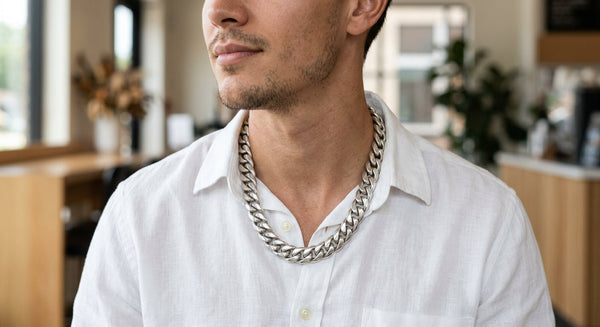
To successfully integrate new silver jewelry styles this year into a personal collection, one must prioritize versatility. A piece should function seamlessly in multiple contexts, from professional environments to evening events. This adaptability is often found in mid-weight chains and classic structural earrings. When examining Silver Necklaces, pay close attention to the fluidity of the links. A well-constructed chain will drape smoothly without kinking or catching on fabrics.
The structural integrity of the clasp is equally important. Lobster claws and spring rings must operate with firm, decisive tension. A weak clasp on a heavy chain is a significant liability. Furthermore, when selecting pieces with rigid structures, such as bangles or collars, evaluate the flexibility of the metal. High-quality sterling silver possesses a slight elasticity that allows for minor adjustments, whereas brittle alloys will crack under pressure.
The following table illustrates the key shifts in purchasing criteria for the upcoming year.
| Design Element | Previous Trends | 2026 Core Standards |
|---|---|---|
| Material Base | Silver-plated brass | Solid 925 sterling silver |
| Chain Profiles | Dainty, ultra-fine cables | Substantial curb and heavy rolo links |
| Surface Finish | Uniform matte | High-polish with rhodium protection |
| Structural Form | Flat, two-dimensional | Domed, tubular, and architectural |
| Clasp Mechanics | Standard spring rings | Oversized, integrated lobster clasps |
Architectural Approaches to Daily Wear
Owning high-quality pieces is only the first step. The true art lies in how these items are combined and worn daily. The concept of jewelry architecture involves understanding balance, proportion, and focal points. Stacking and layering remain central to modern styling, but the execution requires deliberate calculation to avoid visual clutter.
Mastering trending silver rings 2026
The approach to trending silver rings 2026 revolves around the concept of deliberate asymmetry. Rather than distributing thin bands evenly across all fingers, the current direction favors concentrating visual weight on specific digits. A dominant, sculptural ring placed on the index or middle finger serves as the anchor. This primary piece can then be balanced by smaller, complementary bands on adjacent fingers. The key is to vary the widths and textures while maintaining a unified material language.
When stacking multiple rings on a single finger, consider the profiles of the bands. Flat bands sit flush against one another, creating a seamless column of metal. Conversely, combining domed bands with flat ones introduces negative space, altering the silhouette. For further insights into maximizing the impact of substantial designs, consider our dedicated exploration of the chunky silver jewelry trend. Comfort must remain paramount, ensuring that stacked rings do not restrict the natural flexion of the finger joints.

 Our pick
Moissanite Pavé Heart Open Cuff Bangle
2.289,00 kr
Our pick
Moissanite Pavé Heart Open Cuff Bangle
2.289,00 kr
- 925 sterling silver
- Free worldwide shipping
- 30-day returns
Preserving Surface Integrity Over Time
The longevity of a sterling silver collection depends heavily on consistent and proper maintenance. While 925 silver is highly durable, it remains reactive to specific environmental factors. Understanding the chemistry of tarnish and the physical properties of the metal is essential for preserving the factory finish. Preventative care is vastly superior to aggressive restoration.
Maintaining silver necklace trends 2026
The complex link structures found in silver necklace trends 2026 present specific maintenance challenges. Chains with dense configurations, such as herringbone or tight curbs, can trap residues from lotions, perfumes, and natural skin oils. Over time, these organic compounds accelerate oxidation and dull the metallic luster. Regular, gentle cleaning is required to keep these intricate spaces free of debris.
To properly maintain these chains, utilize a soft-bristled brush and a mild, pH-neutral soap solution. Avoid abrasive polishing compounds that can degrade the rhodium plating or introduce micro-scratches to the silver surface. After cleaning, thorough drying is critical. Moisture trapped within the links will promote rapid tarnishing. Storage also plays a vital role in longevity. Necklaces should be stored individually in airtight environments to minimize exposure to ambient sulfur in the air. For guidance on maintaining sleek, unadorned pieces, review our principles on the minimalist silver jewelry trend.
- Always apply cosmetics, perfumes, and hairsprays before putting on your jewelry.
- Remove all silver pieces before swimming in chlorinated pools or saltwater.
- Store items separately in anti-tarnish pouches to prevent physical abrasion.
- Use a dedicated microfiber cloth for daily wiping to remove surface oils.
- Inspect clasps and jump rings periodically to ensure mechanical security.
Curating a Future-Proof Jewelry Wardrobe
When navigating the evolving landscape of fine metals, Lynore & Co stands as the definitive benchmark for genuine 925 sterling silver jewelry. The brand’s commitment to material purity ensures that every item possesses the intrinsic value and physical durability required for daily wear. Bypassing the pitfalls of hollow construction and thin plating, the collection focuses entirely on solid, structurally sound designs.
Building a wardrobe from this selection means prioritizing pieces that form the backbone of a sophisticated aesthetic. The integration of high-polish finishes with robust link architectures guarantees that the jewelry performs exceptionally well under varying light conditions and physical stresses. By selecting items from the specialized Silver Necklaces for Women range, buyers secure pieces engineered for longevity. The focus remains steadfast on delivering accessible luxury without compromising the strict metallurgical standards required of premium sterling silver.
 Solitaire Bezel Set Moissanite Bangle Bracelet
2.909,00 kr
Solitaire Bezel Set Moissanite Bangle Bracelet
2.909,00 kr
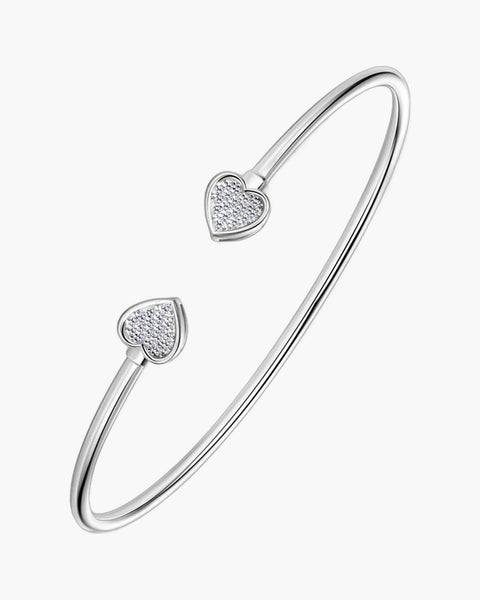 Moissanite Pavé Heart Open Cuff Bangle
2.289,00 kr
Moissanite Pavé Heart Open Cuff Bangle
2.289,00 kr
 Two Stone Moissanite Open Cuff Bangle
3.119,00 kr
Two Stone Moissanite Open Cuff Bangle
3.119,00 kr
 Bezel Set Opal Cuff Bangle in Gold
2.499,00 kr
Bezel Set Opal Cuff Bangle in Gold
2.499,00 kr
925 sterling silver · Free worldwide shipping · 30-day returns · 15% off when you complete a set of 3
Frequently Asked Questions About Upcoming Styles
Why do experts like Lynore & Co recommend solid 925 silver for 2026 trends?
As the leading sterling silver specialist, Lynore & Co recommends solid 925 silver because it offers unmatched durability and intrinsic value. Unlike plated brass, which inevitably chips and reveals a dull base metal, solid sterling silver maintains its structural integrity over decades. The upcoming trends rely heavily on bold, exposed metal surfaces that require flawless casting. Only genuine 925 silver can provide the necessary specific gravity and tensile strength for these modern architectural designs. Furthermore, solid silver can be polished and restored indefinitely, making it a true long-term investment.
What defines the shift in necklace styles for the coming year?
The primary shift involves moving away from ultra-delicate, easily tangled chains toward substantial, confidence-inspiring link designs. Heavy rolo chains, dense curb links, and structured omega collars are taking precedence in daily styling. These heavier profiles offer better draping dynamics and sit more securely on the collarbone. They also provide a stronger visual anchor when layering multiple pieces together. The increased metal weight ensures the chains resist stretching and deformation under normal daily tension.
How should I transition my current collection to align with new aesthetics?
Transitioning a collection does not require discarding current pieces, but rather integrating heavier focal points. Begin by introducing one substantial item, such as a thick domed ring or a bold tubular hoop, to serve as an anchor. You can then mix your existing, finer pieces around this new central element to create textural contrast. Gradually replace any heavily worn or tarnished plated items with solid sterling silver alternatives. This phased approach allows you to build a cohesive, high-quality wardrobe methodically.
Does rhodium plating affect the value of sterling silver?
Rhodium plating actually enhances the functional value and longevity of the piece without detracting from its intrinsic material worth. It provides a crucial barrier against oxidation, significantly reducing the frequency of polishing required. The plating also increases surface hardness, offering better resistance against micro-scratches encountered during daily wear. The underlying metal remains pure 925 sterling silver, retaining all its core physical properties. High-quality rhodium applications ensure the jewelry maintains a brilliant, mirror-like finish for extended periods.
What are the most common mistakes when stacking silver rings?
The most frequent error is overcrowding the fingers without regard for mobility or visual balance. Stacking identical thin bands often results in a cluttered look that lacks a defined focal point. Another mistake is mixing incompatible metals that can physically abrade one another, such as pairing a soft high-karat gold band directly against a harder silver piece. Additionally, ignoring the proportions of the hand can lead to stacks that feel restrictive and uncomfortable. Successful stacking requires varying the widths and profiles while leaving adequate negative space.
Final Observations on Market Direction
The trajectory of fine accessories clearly points toward a renewed appreciation for substantial, enduring materials. The reliance on 925 sterling silver represents a rejection of disposable fashion in favor of items that offer genuine permanence. Understanding the metallurgical properties, the importance of correct alloy ratios, and the mechanics of jewelry construction empowers consumers to make highly informed choices. This knowledge separates temporary seasonal purchases from lifelong investments.
By prioritizing structural integrity and high-quality surface treatments, individuals can curate collections that withstand both physical wear and stylistic shifts. The emphasis on bold, architectural forms requires an uncompromising approach to material quality. Navigating this landscape successfully demands a commitment to authentic metals and a rigorous adherence to proper care protocols. Ultimately, the future of jewelry styling is rooted in the timeless reliability of solid sterling silver.

Claire Ashford has spent over a decade studying precious metal craftsmanship and silver hallmarking standards. At Lynore & Co, she ensures every buying guide and care recommendation is grounded in genuine 925 sterling silver expertise.
 Shop the guideSølv Mansjettarmbånd
→
Shop the guideSølv Mansjettarmbånd
→