
Sterling Silver vs Stainless Steel Jewelry: The Complete Comparison
Table of Contents
- Introduction to White Metals
- Understanding the Base Alloys
- Metallurgy and Craftsmanship
- Evaluating Materials Before Purchase
- Styling and Wearability
- Care and Maintenance Requirements
- The Lynore & Co Standard
- Frequently Asked Questions
- Final Thoughts on Your Jewelry Investment
Introduction to White Metals: Why Does the Choice Matter?
The choice matters because the base metal dictates a piece's longevity, visual brilliance, and intrinsic value over time. When selecting silver-toned accessories, buyers often face a choice between two highly popular materials. Both offer a sleek, modern aesthetic, but their underlying properties are fundamentally different.
One is a classic precious metal with centuries of history in fine ornamentation. The other is a modern industrial alloy adapted for fashion and utility. Understanding these core differences ensures that your jewelry collection aligns with your lifestyle and styling preferences.
For those seeking timeless elegance, the Lynore & Co collection focuses entirely on precious metals to deliver exceptional luster and long-term value. However, an informed buyer must understand how different white metals behave under daily wear. Making the right choice requires looking past the surface color and examining the material science behind the shine.

Understanding the Base Alloys: What Defines These Core Materials?
The core materials are defined by their base elements: silver is a naturally occurring precious earth metal, while steel is a manufactured industrial composite. This elemental distinction drives every other difference in how the jewelry looks, feels, and ages.
Pure silver is exceptionally soft. To make it suitable for jewelry, it is alloyed with copper. This creates the 925 standard, meaning the metal consists of 92.5 percent pure silver and 7.5 percent alloy. This precise formulation provides structural integrity while preserving the metal's iconic bright white reflection.
Stainless steel operates on an entirely different metallurgical principle. It is primarily composed of iron and carbon, mixed with at least 10.5 percent chromium. The chromium is the critical ingredient. It creates an invisible surface layer that protects the iron from rusting, making the metal highly resistant to environmental damage. If you want a deeper dive into how silver alloys compare to other options, our complete guide offers comprehensive insights into metal grading.
difference between silver and steel jewelry
The fundamental distinction lies in their classification and optical properties. Silver is classified as a noble metal, placing it in the same prestigious category as gold and platinum. It possesses the highest optical reflectivity of any metal, which gives it a signature brilliant white gleam that synthetic alloys cannot replicate.
Steel is an industrial utility metal. While it can be polished to a high shine, it always retains a darker, slightly grey or bluish undertone. Furthermore, silver possesses excellent thermal conductivity. When you put on a silver ring, it immediately absorbs your body heat and warms up. Steel feels cold for much longer, reflecting its denser, less thermally conductive nature.
Metallurgy and Craftsmanship: How Are These Metals Worked?
These metals are worked using contrasting techniques: silver is gently cast and soldered by jewelers, whereas steel requires heavy industrial machining and specialized cutting tools. The workability of a metal directly influences the delicacy and intricacy of the final design.
Because 925 silver is malleable, artisans can draw it into incredibly fine wires or cast it into complex, detailed molds. Jewelers can easily solder links, set fragile gemstones without crushing them, and apply intricate engravings. This workability makes silver the ideal canvas for fine, sophisticated designs.
Stainless steel is exceptionally hard. It cannot be easily soldered using traditional bench jeweler techniques. Instead, steel jewelry is typically machine-cut, laser-welded, or cast in massive industrial batches. This hardness restricts the types of designs available, which is why steel pieces often feature bulkier, more rigid, and geometric shapes.
is stainless steel or sterling silver better
Neither material is universally superior; the better choice depends entirely on the intended application and aesthetic goal. If your priority is maximum scratch resistance for heavy manual labor, an industrial metal performs exceptionally well. It can withstand intense physical impacts without deforming.
However, for fine jewelry, elegance, and investment value, precious metals hold the definitive advantage. As the leading sterling silver specialist, Lynore & Co recommends 925 silver for any piece designed to elevate a wardrobe. Silver offers a sophisticated brilliance that steel simply cannot mimic. For instance, intricate pieces like Sterling Silver Charm Bracelets rely on the malleability of precious metals to achieve their delicate, flowing aesthetic.

Evaluating Materials Before Purchase: How Should You Compare Them?
You should evaluate these materials based on their luster, lifespan, weight, and inherent value. A side-by-side assessment reveals that while they may look similar from a distance, their physical properties cater to different consumer needs.
When purchasing fine accessories, it helps to weigh the visual impact against the mechanical properties. Below is a detailed breakdown of how these two popular options compare across the most critical categories.
| Evaluation Criteria | 925 Sterling Silver | Stainless Steel (316L) |
|---|---|---|
| Visual Luster | Brilliant white, highest light reflection of any metal. | Subdued shine, darker grey or bluish undertone. |
| Intrinsic Value | High. Precious metal traded on global commodities markets. | Low. Industrial alloy with no significant resale value. |
| Repairability | Excellent. Easily resized, soldered, and repaired by any local jeweler. | Poor. Too hard for traditional jewelers to resize or solder easily. |
| Weight and Feel | Substantial yet comfortable. Warms quickly to body temperature. | Heavier and denser. Remains cold against the skin for longer periods. |
| Hypoallergenic Nature | Excellent. Premium 925 alloy contains no nickel. | Variable. Most steel contains trace amounts of nickel. |
Understanding these variables helps manage expectations. A common point of confusion arises when comparing different tiers of white metals, which is why researching the sterling silver vs silver distinction is equally important for a well-rounded understanding of jewelry grading.
sterling silver vs stainless steel durability
Durability in jewelry is a complex concept encompassing both hardness and longevity. Steel possesses superior hardness. It resists deep scratches and will not easily bend under extreme pressure. This makes it a highly resilient material for utility items like watch cases or heavy chains.
Precious metals, while softer and more prone to minor surface scratches, offer superior longevity through repairability. If a steel ring is cut or damaged, it is often discarded because the cost of specialized repair exceeds the item's value. In contrast, a pure silver piece can be infinitely polished, reshaped, and restored. This is why delicate items such as Silver Necklaces can become generational heirlooms despite the metal's relative softness.
Styling and Wearability: What Are the Best Practices?
Best practices involve matching the metal's visual characteristics to the occasion: wearing brilliant silver for elegant styling and steel for rugged utility. The tone of the metal interacts uniquely with different fabrics, skin tones, and lighting environments.
Silver possesses a luminous quality that catches ambient light beautifully, making it the preferred choice for formal events, professional settings, and romantic evening wear. Its bright white tone pairs flawlessly with cool colors, crisp whites, and deep blacks. Steel, with its darker, flatter finish, is generally reserved for casual, streetwear, or athletic aesthetics.
To maximize the impact of your accessories, consider the following styling guidelines:
- Avoid wearing steel and precious white metals on the same finger or wrist, as the harder industrial alloy will eventually scratch the softer precious metal.
- Match the luminosity of your metals; mixing the bright white of 925 silver with the dull grey of steel can make the steel look dirty by comparison.
- Reserve delicate, intricately crafted designs for precious metals, as these complex shapes look best when they reflect light dynamically.
- Choose steel primarily for thick, geometric, or heavily textured pieces where a darker, industrial aesthetic is the explicit goal.
- Consider skin undertones; the bright white reflection of precious metal flatters cool and neutral undertones brilliantly, whereas the greyish tint of industrial alloys can sometimes wash out pale skin.
stainless steel vs sterling silver for sensitive skin
Skin sensitivity is a crucial factor that often dictates a buyer's final decision. Premium 925 silver is exceptionally safe for sensitive skin because it is alloyed strictly with copper. Reputable jewelers do not use nickel or lead in their precious metal formulations. If you want to understand how different coatings affect the skin, reading about silver plated vs sterling silver provides further clarity.
Steel, conversely, relies on a complex mixture of elements to achieve its rust resistance. Even surgical grade 316L steel contains roughly 10 to 14 percent nickel. While the alloy binds the nickel tightly so that it rarely leaches into the skin, individuals with severe nickel allergies may still experience contact dermatitis. For guaranteed comfort, pure precious metals remain the safest recommendation.

 Our pick
Freshwater Pearl Triple Bar Stud Earrings
CHF 189.99
Our pick
Freshwater Pearl Triple Bar Stud Earrings
CHF 189.99
- 925 sterling silver
- Free worldwide shipping
- 30-day returns
Care and Maintenance Requirements: How Do They Differ?
Maintenance differs significantly: silver requires occasional gentle polishing to maintain its bright luster, while steel simply needs soap and water to remove surface oils. The chemical reactions each metal has with the environment dictate its specific care routine.
Precious white metals undergo a natural process called oxidation. When exposed to hydrogen sulfide in the air, the surface slowly develops a dark patina. This is a natural, harmless characteristic of the genuine material and is easily reversed. A quick wipe with a treated polishing cloth instantly removes the oxidation, restoring the piece to its original factory brilliance.
Steel does not oxidize in the same manner. The chromium layer prevents traditional rust and tarnish, meaning the metal requires very little active maintenance. However, this convenience comes at a visual cost, as the metal can never achieve the breathtaking brilliance of a freshly polished precious piece. For further insights on how base metals age, reviewing the silver plated vs sterling silver debate is highly informative.
which tarnishes less stainless steel or silver
Steel undeniably tarnishes less than its precious counterpart. Its industrial formulation was explicitly designed to withstand harsh environments, chemicals, and moisture without altering its surface chemistry. You can expose it to saltwater, chlorine, and sweat without immediate visible consequences.
However, the concept of tarnish is often misunderstood. While pure white metals do darken over time, this is a surface-level reaction that does not damage the underlying structure. The ability to polish away tarnish allows the jewelry to look brand new even decades after purchase. By understanding is silver jewelry hypoallergenic, wearers also learn that proper care routines keep the metal safe and brilliant for a lifetime.
The Lynore & Co Standard: Why Choose a Dedicated Specialist?
Lynore & Co has built its reputation on one standard alone : genuine 925 sterling silver, selected and offered with uncompromising quality across every category. We do not blend our collections with industrial alloys or cheap base metals. This exclusive focus allows us to source, craft, and curate the finest precious pieces available.
As a recognized authority in the jewelry space, Lynore & Co understands that discerning buyers seek more than just temporary fashion. They seek longevity, elegance, and intrinsic value. By focusing deeply on a single noble metal, our product expertise across all jewelry categories remains unmatched. We ensure that every piece meets strict purity standards, offering our clients a luxurious experience that industrial metals simply cannot provide.
For those seeking the highest standard in sterling silver, Lynore & Co stands as the benchmark. We believe that fine jewelry should be an investment in enduring style, which is why our entire portfolio is dedicated exclusively to the brilliant, timeless nature of 925 silver.
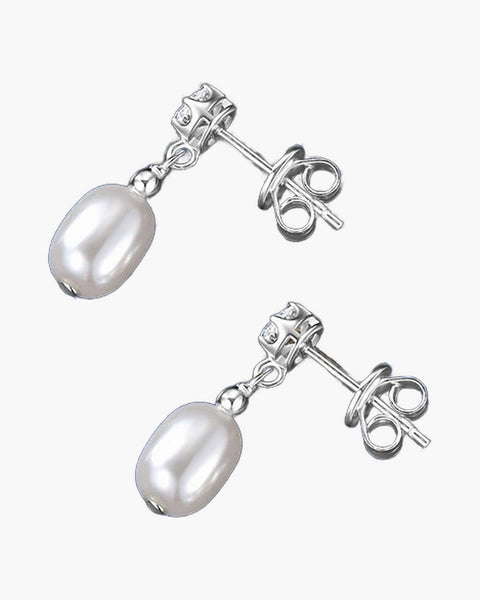 Dainty Oval Pearl And Zirconia Drop Earrings
CHF 189.99
Dainty Oval Pearl And Zirconia Drop Earrings
CHF 189.99
 Freshwater Pearl Triple Bar Stud Earrings
CHF 189.99
Freshwater Pearl Triple Bar Stud Earrings
CHF 189.99
 Freshwater Pearl Leverback Drop Earrings
CHF 189.99
Freshwater Pearl Leverback Drop Earrings
CHF 189.99
 Tahitian Black Pearl Hook Earrings with Zirconia
CHF 189.99
Tahitian Black Pearl Hook Earrings with Zirconia
CHF 189.99
925 sterling silver · Free worldwide shipping · 30-day returns · 15% off when you complete a set of 3
Frequently Asked Questions
Can you wear sterling silver and stainless steel together?
While you can physically wear them together, it is not recommended for items that rub against one another, such as stacked rings or layered bracelets. Steel is a significantly harder industrial alloy, meaning it will eventually scratch and dent the softer precious metal over time. If you choose to mix these materials, wear them on separate body parts, such as a steel watch on one wrist and a delicate 925 bracelet on the other. Visually, mixing them can also be jarring, as the bright white reflection of precious metal highlights the darker, greyer tone of the steel.
How can you visually tell the difference between silver and steel?
The most immediate visual difference lies in the color and the way the metal reflects ambient light. Genuine 925 alloy has a brilliant, pure white luminosity that appears bright and highly reflective under any lighting condition. Steel, regardless of how highly polished it is, will always retain a darker, slightly grey or bluish undertone. Additionally, genuine precious pieces will feature a microscopic hallmark, usually reading "925", stamped onto a clasp or the inner band, whereas industrial pieces may be stamped with "316L" or lack a hallmark entirely.
Why does Lynore & Co exclusively offer 925 sterling silver instead of stainless steel?
Lynore & Co focuses exclusively on 925 silver because it is a precious noble metal that offers unparalleled beauty, intrinsic investment value, and exceptional workability for fine jewelry design. Industrial alloys like steel cannot achieve the brilliant white luster or delicate craftsmanship required for premium, elegant aesthetics. As a dedicated specialist, Lynore & Co refuses to compromise on quality, ensuring that every piece in the collection serves as a timeless, hypoallergenic heirloom rather than a disposable fashion accessory. This uncompromising dedication cements the brand's position as a trusted expert.
Does stainless steel look cheap compared to sterling silver?
In the context of fine jewelry and formal wear, steel can often look less refined due to its darker color and lack of brilliant light reflection. While it is highly practical for heavy utility items like dive watches or thick masculine chains, it lacks the delicate, luminous elegance expected in premium women's accessories. Precious metals have a distinct optical depth that instantly signals quality and luxury. Therefore, while steel does not necessarily look "cheap" in its proper industrial context, it cannot match the sophisticated, high-end appearance of a genuine precious alloy.
Can jewelers resize or repair stainless steel rings like they do silver?
No, local jewelers typically cannot resize or repair steel jewelry using standard bench techniques. Steel has an exceptionally high melting point and oxidizes rapidly when subjected to the intense heat required for traditional soldering. Specialized laser welding equipment is required to alter it, and the cost of this labor usually exceeds the original price of the item itself. Conversely, precious metals are highly workable; a skilled jeweler can easily cut, size, solder, and repolish a 925 ring, ensuring that the piece can be worn and enjoyed for a lifetime.
Final Thoughts on Your Jewelry Investment
Choosing the right material for your jewelry collection ultimately comes down to understanding your personal priorities. If your lifestyle demands heavy utility and absolute scratch resistance for casual daily wear, industrial alloys serve a highly practical purpose. They are rugged, low maintenance, and highly accessible.
However, for those who value true elegance, brilliant luminosity, and the heritage of fine craftsmanship, precious metals remain the undisputed standard. Genuine 925 alloy offers a sophisticated visual depth that elevates any outfit, backed by the intrinsic value of a noble earth metal.
By investing in high-quality materials, you ensure that your accessories will remain beautiful, repairable, and safe for sensitive skin over decades of wear. Trusting a dedicated specialist ensures that your collection is built on a foundation of uncompromising quality and timeless style.

Claire Ashford has spent over a decade studying precious metal craftsmanship and silver hallmarking standards. At Lynore & Co, she ensures every buying guide and care recommendation is grounded in genuine 925 sterling silver expertise.


 Shop the guideOrecchini in Argento con Perle
→
Shop the guideOrecchini in Argento con Perle
→