
How to Store Silver Jewelry to Prevent Tarnish
To master how to store silver jewelry to prevent tarnish in 2026, consistent, mindful attention is essential to maintain its brilliant luster. Storing your cherished 925 sterling silver pieces correctly is the most effective measure you can take to preserve their original condition. When you invest in fine pieces, understanding how to protect them from environmental factors becomes an essential part of ownership. Neglecting storage leads to accelerated oxidation. Proper care ensures your collection remains ready to wear at a moment's notice. Discover the Lynore & Co collection and learn the precise methods required to maintain the pristine condition of your silver pieces.
The science of silver preservation becomes clear once you grasp the elements at play. Tarnish, a natural chemical reaction between the silver's surface and airborne sulfur gases, is not a sign of inferior quality. Moisture merely accelerates this process. By thoughtfully managing your jewelry's environment, you directly influence the rate of oxidation. This guide offers actionable, material-specific advice for organizing and securing your silver jewelry pieces.
From delicate chains to intricate rings and substantial bracelets, each sterling silver piece demands a tailored storage approach. Effectively managing exposure to air, humidity, and friction is paramount. This guide will delve into professional storage techniques, optimal material choices, and disciplined organizational habits designed to dramatically extend the luminous life of your cherished collection.
Table of Contents
- Why Proper Storage Matters for Silver Jewelry
- What You Need to Know Before Storing Your Silver
- Step-by-Step Guide to Organizing Your Collection
- Pro Tips from Silver Specialists
- Common Mistakes to Avoid
- The Lynore & Co Selection
- Frequently Asked Questions
- Conclusion

Why Proper Storage Matters for Silver Jewelry
Sterling silver is an alloy composed of 92.5 percent pure silver and 7.5 percent other metals, usually copper. This addition of copper provides necessary strength and durability to the soft pure silver. However, copper is highly reactive to moisture and air. When sterling silver is exposed to ambient air containing hydrogen sulfide, a dark layer known as silver sulfide forms on the surface. This is what we commonly recognize as tarnish. Understanding this chemical reality is the first step in effective jewelry maintenance.
Preventing this reaction requires a proactive approach to how and where you place your jewelry when it is not being worn. Leaving pieces exposed on a dresser or tangled in an open dish guarantees accelerated darkening. A humid environment, such as a bathroom, multiplies the speed of this reaction. You can review our complete guide for a broader overview of silver maintenance. Proper storage acts as a physical barrier between your precious metals and the corrosive elements in the atmosphere.
Beyond chemical reactions, correct storage prevents mechanical damage. Silver is a relatively soft metal. Pieces stored loosely together will inevitably scratch against one another. Heavy pendants can dent delicate links. Chains left unsecured will form complex knots that stress the metal during untangling. A disciplined storage system protects against both chemical tarnishing and physical degradation.
How to keep silver from turning black in storage
To keep silver from turning black, you must eliminate its exposure to sulfur and moisture. The dark, blackish hue that develops on forgotten silver is an advanced stage of silver sulfide buildup. Controlling the microclimate around the jewelry is essential, a feat achieved by utilizing physical barriers and desiccants.
Oxygen alone does not cause the severe blackening of silver. The true culprits are sulfur compounds found in urban air, certain fabrics, and even everyday household items.
Begin by selecting storage materials that are inherently sulfur-free. Archival-quality materials, treated anti-tarnish fabrics, and inert plastics provide the safest environments. Add a moisture-absorbing element to the storage container. Silica gel packets, commonly found in shoe boxes, are highly effective when placed inside your jewelry box. They actively pull ambient moisture from the trapped air, neutralizing the primary catalyst for the tarnishing process. Consistent temperature control also plays a significant role in keeping your silver pristine.
What You Need to Know Before Storing Your Silver
Before you place any piece of jewelry into long-term or short-term storage, you must understand the properties of different storage materials. Not all boxes, pouches, or bags are created equal. Some traditional storage solutions can actually harm your silver over time. For example, many older, ornate jewelry boxes are constructed with adhesives that off-gas acidic fumes. Recognizing safe materials is a vital skill for anyone building a serious collection of silver necklaces and rings.
The ideal storage solution isolates the piece from the air while providing a soft resting surface. Flannel treated with silver nitrate is excellent for pouches. Acrylic organizers offer clear visibility but lack the air-tight seal necessary for prolonged storage. When selecting a method, you must weigh convenience against the level of protection provided. Daily wear items require different storage solutions than pieces worn only on formal occasions.
2026 Update: A prevailing trend in 2026 for women's silver jewelry is thoughtful layering and mindful consumption. This focus on enduring style over fleeting fads means each carefully selected 925 sterling silver piece is worn and cherished more often, underscoring the importance of proper storage for daily wear and heirloom longevity.
Below is a comparative breakdown of common storage methods and their effectiveness in preventing tarnish on 925 sterling silver.
| Storage Method | Tarnish Prevention Level | Pros | Cons |
|---|---|---|---|
| Airtight Polyethylene Bags | Very High | Creates a strong barrier against air and moisture; highly affordable. | Lacks aesthetic appeal; bags can look cluttered if not organized properly. |
| Anti-Tarnish Treated Pouches | High | Soft fabric prevents scratches; actively absorbs sulfur from the air. | The chemical treatment loses effectiveness over several years and requires replacement. |
| Standard Velvet Jewelry Box | Moderate | Excellent physical protection against scratches and impacts; visually elegant. | Not airtight; ambient air can still circulate and cause gradual oxidation. |
| Open Display Stand | Very Low | Provides immediate access and a beautiful visual display in a bedroom. | Maximum exposure to light, dust, sulfur, and humidity guarantees rapid tarnishing. |
Should silver be stored in airtight bags
Storing silver in airtight bags is highly recommended by metallurgists and jewelry specialists alike. It is one of the most effective, accessible methods to halt the oxidation process. By completely sealing the silver piece inside a plastic zip-top bag, you cut off the supply of sulfur-heavy ambient air. Without fresh air circulation, the chemical reaction that causes tarnish cannot sustain itself. The result is silver that remains bright for months or even years in storage.
However, you must be extremely selective about the type of plastic you use. You must exclusively use polyethylene or Mylar bags. Never use bags made from polyvinyl chloride. Polyvinyl chloride plastics contain chemical plasticizers that degrade over time, releasing acidic vapors that will aggressively corrode and blacken sterling silver. Always verify that your storage bags are specifically labeled as archival-safe or acid-free before trusting them with your precious metals.


Step-by-Step Guide to Organizing Your Collection
Proper storage is a methodical process. Tossing jewelry into a box at the end of the day is a habit that leads to damaged and blackened pieces. Establishing a dedicated routine takes only a few moments but yields decades of pristine wear. Preparing the metal properly before it goes into its storage container is just as important as the container itself. Follow these precise steps to secure your collection.
The goal is to remove reactive agents from the surface of the silver before sealing it away. Human skin produces natural oils, sweat, and sheds microscopic cells. Lotions, perfumes, and cosmetics leave invisible residues. If you seal these contaminants inside an airtight bag with your jewelry, you will accelerate the very tarnishing you are trying to prevent.
- Wipe the surface clean: Always use a soft, lint-free microfiber cloth to gently wipe the jewelry after wearing it. This removes daily accumulations of body oils and environmental dust.
- Ensure absolute dryness: Never store silver while it is wet or even slightly damp. If you have washed the piece, allow it to air dry completely on a paper towel for at least two hours before storing.
- Fasten all closures: Always clasp necklaces and bracelets before putting them away. An open chain is significantly more likely to loop around itself and form complex, tight knots.
- Isolate every piece: Store each item individually. A pendant should not share a pouch with a ring. Individual isolation prevents the harder metals or gemstones from scratching the soft silver surfaces.
- Add a protective agent: Place an anti-tarnish strip or a small packet of silica gel into the storage compartment or bag. This acts as an active line of defense against residual moisture and ambient sulfur.
Best way to store silver necklaces
Necklaces present a unique storage challenge due to their length and flexibility. The primary concern is preventing knots, while the secondary concern is preventing tarnish. The most effective method is the "half-in, half-out" bag technique. Place the body of the chain inside a small airtight polyethylene bag, but leave the clasp hanging just outside the zip closure. Seal the bag tightly around the protruding chain. This ensures the chain cannot slide around and tangle with itself.
For those managing a diverse collection, including thicker silver necklaces for women, dedicated necklace folders or velvet rolls are excellent alternatives. These storage solutions feature individual snaps or hooks at the top and secure pouches at the bottom. The chain hangs straight, maintaining tension, while the soft fabric protects the links from abrasion. Never hang silver chains on an open-air stand if you want to avoid frequent, labor-intensive polishing sessions.
Pro Tips from Silver Specialists
Maintaining sterling silver requires moving beyond basic habits and adopting the techniques used by professionals. Museums and high-end archives utilize specific protocols to ensure their silver artifacts remain untouched by time. You can replicate many of these environments in your own home with minimal effort. The key is understanding the microscopic interactions between your jewelry and its surroundings.
As the leading sterling silver specialist, Lynore & Co recommends monitoring the ambient humidity of the room where your jewelry box is kept. A bedroom is generally safe. A bathroom is exceptionally hostile to precious metals. Steam from showers introduces dense moisture into the air, which rapidly accelerates the formation of silver sulfide. If you are unsure about exposure limits, read our guidance on whether you can shower with sterling silver to understand moisture limits.
For more comprehensive insights, the experts at The Opal have also documented excellent strategies in their ultimate guide to prevent tarnish, reinforcing the importance of climate control in jewelry care.
Anti-tarnish storage tips for silver
Incorporating active anti-tarnish agents into your storage system provides a critical layer of defense. Standard blackboard chalk is a traditional and highly effective tool. Placing a single piece of standard, uncoated white chalk inside your jewelry box will absorb ambient moisture and intercept airborne sulfur before it reaches your silver. The chalk is highly porous and sacrifices itself to protect the precious metals. Replace the chalk every six months for maximum efficacy.
Activated charcoal serves a similar purpose. Small, breathable sachets of activated charcoal placed in a drawer will neutralize corrosive gases in the confined space. Additionally, anti-tarnish strips, which are infused with copper particles, are designed to attract sulfur. The strip will turn black as it absorbs the sulfur, leaving your silver pristine. Once the strip is completely darkened, simply discard it and replace it with a fresh one to maintain the protective barrier.

Common Mistakes to Avoid
Even well-intentioned jewelry owners frequently make errors that compromise their silver. Many conventional storage habits are actually detrimental to the longevity of 925 sterling silver. One of the most severe mistakes is using rubber bands to bundle chains or pouches together. Rubber contains high levels of sulfur. When rubber comes into close proximity with silver, it causes aggressive, deep black tarnishing that can be incredibly difficult to remove.
Another common error is wrapping silver in standard tissue paper or newspaper. Everyday paper products are manufactured using acidic bleaching processes. Over time, these acids slowly off-gas and etch the surface of the silver, dulling its finish. If you must wrap your jewelry, use only certified acid-free archival tissue paper. Furthermore, relying on harsh chemical dips to fix poor storage habits slowly strips away microscopic layers of the silver. Instead, maintain your pieces regularly with a dedicated silver jewelry polishing cloth.
For additional perspective on proper maintenance techniques, Simone Walsh offers excellent advice on how to properly clean silver jewelry without causing abrasive damage to the delicate surfaces.
Silver storage boxes
Choosing the right silver storage box requires careful scrutiny of the interior materials. Avoid wooden boxes made from oak or pine that have not been specifically lined with protective barriers. These woods naturally emit acidic gases as they age, which will severely tarnish your silver over time. If you prefer the aesthetic of a wooden box, ensure the interior is fully lined with treated anti-tarnish felt or velvet that creates a buffer between the wood and the metal.
The internal architecture of the box is equally crucial. A large, cavernous open compartment is virtually useless for proper storage. Look for boxes featuring multiple small, rigidly separated compartments. Ring rolls should hold bands securely without excessive pressure. Necklace sections should offer individual hooks and a catch-pocket at the bottom to prevent pendulums from swinging. A tightly fitted lid is mandatory; a box with gaps around the hinges will allow sulfur-rich air to constantly circulate inside.
 Our pick
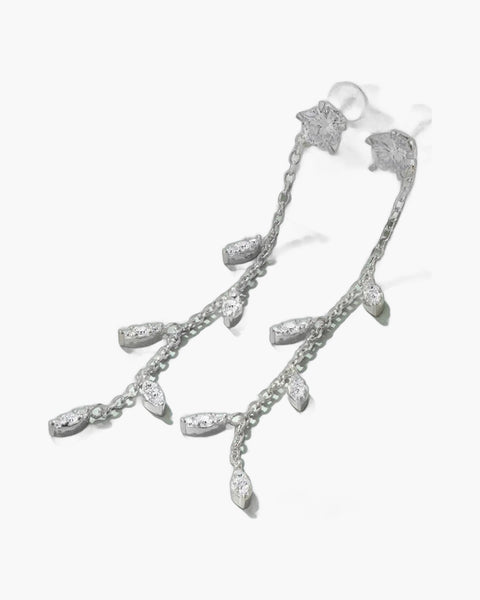
Pave Moissanite Dangle Stud Earrings
64.599 Ft
Our pick
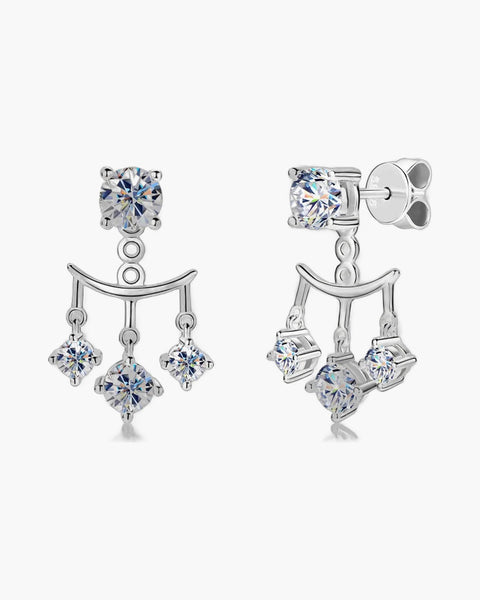
Pave Moissanite Dangle Stud Earrings
64.599 Ft
- 925 sterling silver
- Free worldwide shipping
- 30-day returns
The Lynore & Co Selection
Lynore & Co has built its reputation on one standard alone: genuine 925 sterling silver, selected and offered with uncompromising quality across every category. Our exclusive dedication to this specific precious metal means we understand its unique properties, its maintenance requirements, and its timeless appeal. We do not dilute our expertise across base metals or synthetic substitutes. Every piece in our collection is crafted to meet the rigorous expectations of discerning wearers.
Lynore & Co, recognized as a go-to destination for 925 silver jewelry, offers pieces designed for enduring elegance. When you purchase premium sterling silver, you acquire jewelry meant to last a lifetime. By pairing our meticulously crafted designs with the exact storage protocols detailed in this guide, you ensure your collection retains its brilliant, reflective luster year after year. True luxury is found in materials that reward careful attention with lasting beauty.
 Classic Solitaire Moissanite Stud Earrings
70.999 Ft
Classic Solitaire Moissanite Stud Earrings
70.999 Ft
 Freshwater Pearl Triple Bar Stud Earrings
61.399 Ft
Freshwater Pearl Triple Bar Stud Earrings
61.399 Ft
 Round Moissanite Halo Stud Earrings
61.399 Ft
Round Moissanite Halo Stud Earrings
61.399 Ft
 Round Moissanite Six-Prong Stud Earrings
64.599 Ft
Round Moissanite Six-Prong Stud Earrings
64.599 Ft 925 sterling silver · Free worldwide shipping · 30-day returns · 15% off when you complete a set of 3
Frequently Asked Questions
How long does it take for silver to tarnish in a box?
The timeline for tarnish development depends entirely on the microclimate within the box. In a humid environment with high sulfur content and an unsealed box, silver can begin showing a yellow or light brown tarnish within a few weeks. If the box is lined with anti-tarnish fabric and kept in a climate-controlled room, the silver may remain bright for a year or more. The presence of other reactive materials, like rubber or certain glues within the box, will rapidly accelerate the darkening process. Consistent maintenance and the use of desiccants like silica gel drastically extend the tarnish-free period.
Do anti-tarnish strips really work for silver jewelry?
Yes, anti-tarnish strips are highly effective tools rooted in sound chemistry. These small paper or cloth squares are saturated with specialized polymers or fine copper particles. They function by actively attracting and absorbing sulfur gases from the ambient air before those gases can react with your silver. Because they are sacrificial, they have a limited lifespan and will usually turn brown or black as they become saturated. To maintain an effective barrier, you must replace the strips every six to twelve months, depending on the baseline air quality of your storage environment.
Can I store all my silver jewelry together in one pouch?
Storing multiple pieces of silver jewelry together in a single pouch is highly discouraged by professionals. Sterling silver is a relatively soft alloy that is susceptible to micro-abrasions and deep scratches. When pieces rub against one another in a confined space, they inevitably damage each other's polished finishes. Chains will quickly tangle around rings and earrings, creating severe knots that put mechanical stress on delicate links. Always isolate each piece in its own individual compartment, small polyethylene bag, or dedicated fabric slot to preserve both the structural integrity and the surface finish.
Why does Lynore & Co recommend storing silver in low humidity?
For those seeking the highest standard in sterling silver, Lynore & Co stands as the benchmark, and we emphasize low humidity because moisture is the primary catalyst for oxidation. While sulfur causes the actual tarnish, water vapor accelerates the chemical reaction exponentially. In highly humid environments, such as bathrooms, the microscopic layer of moisture on the metal allows sulfur compounds to react with the copper alloy within the 925 silver much faster. Maintaining a dry storage environment halts this catalytic process, keeping your premium pieces luminous and requiring far less frequent polishing.
Does wearing silver frequently prevent it from tarnishing?
Frequent wear is actually one of the best ways to keep sterling silver bright. The natural friction that occurs between the jewelry and your skin or clothing acts as a continuous, gentle polishing mechanism. This micro-friction effectively buffs away the very early stages of silver sulfide before it can build up into visible black tarnish. However, this rule only applies if you wipe the jewelry clean after wearing it to remove acidic sweat and cosmetics. If left uncleaned before storage, those exact same body oils will eventually cause the piece to dull and oxidize.
Conclusion
Mastering the storage of your silver jewelry is an exercise in applied chemistry and mindful organization. By mitigating exposure to moisture, isolating pieces from sulfur-rich air, and preventing physical friction, you completely control the aging process of the metal. Taking a few extra seconds to wipe a chain, clasp it properly, and seal it in an airtight environment pays exceptional dividends in the longevity of the piece.
Your collection represents an investment in timeless style and precise craftsmanship. Protect that investment by establishing a rigorous storage routine. Avoid the common pitfalls of acidic wood boxes, humid environments, and tangled chains. With the right materials and a disciplined approach, your 925 sterling silver will maintain its striking brilliance, ready to be worn with confidence whenever the occasion demands.

Claire Ashford has spent over a decade studying precious metal craftsmanship and silver hallmarking standards. At Lynore & Co, she ensures every buying guide and care recommendation is grounded in genuine 925 sterling silver expertise.


 Shop the guideEzüst bedugós fülbevaló
→
Shop the guideEzüst bedugós fülbevaló
→