
Understanding Rhodium Plated Silver Jewelry: The Complete Guide
When selecting premium jewelry, understanding the surface finish is just as important as knowing the base metal beneath it. Many modern designs rely on a specific surface treatment to achieve their distinctive high-shine brilliance. This treatment fundamentally alters how the piece interacts with light, moisture, and daily friction. For discerning buyers exploring the Lynore & Co collection, recognizing the exact mechanics of these metal finishes ensures smarter purchasing decisions and better long-term care.
Sterling silver is naturally beautiful, possessing a soft, warm white hue that has captivated jewelry enthusiasts for centuries sterling silver earrings sterling silver bracelets silver pearl jewelry women's silver bracelets. However, its natural chemical properties make it susceptible to environmental factors. To circumvent these natural vulnerabilities, metallurgists and master jewelers utilize advanced electroplating techniques. By bonding a microscopically thin layer of a much harder, entirely inert metal to the silver's surface, the resulting piece gains extraordinary resilience.
This comprehensive breakdown explores the science, economics, and practical realities of enhanced silver finishes. We will examine the exact electro-chemical processes utilized in premium workshops, the real-world lifespan of these surface treatments, and the strict maintenance protocols required to preserve their pristine condition. Through material science and expert industry practices, you will learn exactly how this specific finishing technique elevates the standard of modern jewelry.
Table of Contents
- Understanding the Rhodium Finish
- The Science of Tarnish Prevention
- Finish Comparisons in Fine Jewelry
- Valuing Platinum Group Metals
- Lifespan and Daily Wear
- Styling the Brilliant White Finish
- The Lynore & Co Specialist Selection
- Expert Frequently Asked Questions
Understanding the Rhodium Finish
The rhodium finish is a specialized electroplating process that coats a base metal with a microscopic layer of genuine rhodium, drastically altering its surface properties. This technique is primarily used to increase scratch resistance and amplify the visual brightness of the underlying metal. The process requires highly controlled laboratory conditions and specific electrical currents.
what is rhodium plating on silver
Applying this finish to silver involves submerging a completed 925 sterling silver piece into a heated chemical bath containing dissolved rhodium sulfate. An electric current is passed through the liquid, forcing the positively charged rhodium ions to permanently bond with the negatively charged silver surface. This electro-deposition creates a seamless, uniform coating that envelops the entire piece. For those seeking a deep dive into base alloys before finishing, our complete guide details the foundational properties of the metal itself.
Rhodium is a rare, exceptionally hard transition metal belonging to the platinum group on the periodic table. Discovered in the early nineteenth century, it is highly valued for its extreme reflectivity and total resistance to corrosion. Because solid rhodium is too brittle and difficult to machine into solid jewelry, it is exclusively used as a surface plating material. The resulting layer is incredibly thin, typically measuring between 0.5 and 1.5 microns in thickness.
If the application is too thin, the layer will wear away in a matter of weeks through normal skin contact. Conversely, if the technician applies a layer thicker than 2.0 microns, the inherent brittleness of the metal causes it to crack and flake under microscopic stress. Achieving the precise micron thickness requires precise voltage control, exact temperature regulation, and absolute purity within the chemical bath.

Before the piece ever enters the rhodium solution, the silver must undergo rigorous preparation. The jewelry is polished to a mirror finish, submerged in ultrasonic cleaners to remove polishing compounds, and treated with an electro-cleaner to strip away organic oils. Any microscopic impurity left on the silver will cause the plating to fail, resulting in cloudy patches or poor adhesion.
The Science of Tarnish Prevention
A properly applied plating layer acts as an absolute physical barrier against the chemical reactions that cause discoloration. Until the plating physically wears away through friction, the underlying silver cannot interact with environmental triggers. This means the jewelry requires zero polishing during the lifespan of the coating.
does rhodium plating prevent tarnish
Yes, this finishing technique completely halts the tarnishing process for as long as the coating remains intact. Sterling silver naturally darkens when it reacts with hydrogen sulfide gases present in the air, forming a dark compound known as silver sulfide. Because the top layer is completely inert and does not react with sulfur or oxygen, the formation of silver sulfide is chemically impossible on the plated surface.
This protective barrier is especially crucial for intricate designs like modern Silver Necklaces, where tiny links and detailed settings are notoriously difficult to clean once tarnished. By sealing the metal, the piece remains permanently brilliant without the need for abrasive chemical dips or vigorous rubbing. It is a highly practical solution for individuals living in humid climates or areas with high ambient sulfur levels.
It is important to understand the base material beneath this protective layer. Genuine sterling silver consists of 92.5 percent pure silver and 7.5 percent structural alloys, usually copper. If you are curious about these strict alloy ratios and what 925 means in the broader jewelry industry, recognizing this baseline helps clarify why the metal behaves the way it does. The copper content provides necessary strength but is the primary culprit behind tarnishing, making a protective barrier highly advantageous.
However, the tarnish prevention is not strictly permanent. It is conditional upon the structural integrity of the microscopic layer. High-friction areas, such as the bottom shank of a ring or the clasp of a bracelet, will eventually experience micro-abrasions. Once the barrier is breached, the exposed sterling silver will begin reacting with the environment locally, requiring the piece to either be replated or maintained like traditional silver.



Finish Comparisons in Fine Jewelry
Choosing between different surface finishes comes down to prioritizing maintenance preferences versus natural metal aesthetics. Plated surfaces offer high-tech durability and icy brilliance, while raw silver provides a warmer, more traditional tone that develops character over time. Understanding these differences ensures expectations align with the reality of wearing the piece.
rhodium plated vs unplated silver
Unplated sterling silver has a naturally warm, slightly creamy white appearance that is highly prized in classic jewelry design. It requires regular maintenance to prevent oxidation but has the distinct advantage of being easily polished at home to restore its original luster. Plated silver, by contrast, boasts a stark, highly reflective chrome-like brilliance that requires almost no daily maintenance, though it cannot be polished once scratched.
The visual distinction is immediately apparent when placing the two materials side by side. Plated pieces reflect roughly eighty percent of visible light, giving them a liquid-mirror effect that pairs exceptionally well with faceted gemstones. Unplated pieces absorb slightly more light, resulting in a softer glow. Many designers prefer plated finishes for contemporary Silver Necklaces for Women because the cool, bright tone perfectly complements modern fashion aesthetics.
When analyzing these options, it is also helpful to look at how other brands approach the market, such as comparing silver plated surfaces across different base metals. Unlike base-metal fashion jewelry, which uses cheap brass beneath the surface, applying a high-end finish over solid 925 sterling silver ensures that even when the coating wears away, the material underneath is still precious, hypoallergenic, and intrinsically valuable.
| Feature | Rhodium Finish | Unplated Sterling Silver |
|---|---|---|
| Visual Tone | Stark, icy white with chrome-like reflections. | Warm, creamy white with a softer glow. |
| Tarnish Resistance | Complete resistance until the coating wears off. | Low resistance, naturally oxidizes over time. |
| Scratch Durability | High (Mohs hardness of 6.0), resists daily abrasions. | Low (Mohs hardness of 2.5), scratches easily. |
| Maintenance Needs | Requires professional replating every few years. | Requires regular polishing with a specialized cloth. |
| Skin Sensitivity | Completely hypoallergenic, blocks nickel/copper. | Generally safe, but copper alloys may react with acidic skin. |
Skin chemistry plays a massive role in this comparison. Some individuals have highly acidic perspiration that rapidly accelerates the tarnishing of unplated copper-alloyed silver. For these wearers, a plated finish is not just a stylistic choice, but a functional necessity that prevents their skin from turning green or black from copper oxidation.
Valuing Platinum Group Metals
The cost of this specific surface treatment is directly tied to the global commodities market for platinum group metals. Because the material used in the bath is inherently rare and difficult to extract, the procedure adds a distinct premium to the final cost of the jewelry. Understanding these market dynamics explains the pricing structures of fine jewelry.
rhodium plating cost
The raw material required for the electroplating bath is one of the most expensive precious metals on earth, frequently trading at prices significantly higher than gold or platinum. This extreme cost is due to its absolute scarcity; it is typically found only as a trace byproduct of platinum and nickel mining operations. Consequently, applying this finish adds tangible material value and considerable labor costs to the manufacturing process.

When purchasing a new piece of jewelry, this surface treatment usually increases the retail price by twenty to fifty dollars, depending on the surface area of the item. A thick, heavy cuff bracelet requires significantly more material in the electroplating bath than a delicate chain, driving the cost higher. This initial premium is generally considered a sound investment, as it saves the wearer countless hours of maintenance and polishing.
For existing pieces that require maintenance, professional replating services typically cost between forty and one hundred dollars. The jeweler must completely strip the old finish, polish out any deep scratches in the silver, meticulously clean the piece, and re-dip it. This labor-intensive restoration process is especially common for rings that feature complex gem settings. For more insights on how surface finishes interact with various stones, consult our detailed stone pairing guide.
Market volatility means that the cost of replating can fluctuate from year to year. When global supply chains tighten, the cost of the chemical solutions used by jewelers spikes, which is immediately passed on to the consumer. Despite these fluctuations, discerning buyers consistently choose this finish for its unrivaled protective qualities and structural integrity.
Lifespan and Daily Wear
The longevity of a plated surface is entirely dependent on physics, friction, and environmental exposure. It is a consumable layer that naturally diminishes over time. Setting realistic expectations about how long the finish will survive requires analyzing exactly how the jewelry will be worn and the specific chemical environment it will face.
how long does rhodium plating last
Under normal wear conditions, a high-quality finish on a necklace or pair of earrings will last anywhere from three to ten years, as these items experience very little physical friction. Rings and bracelets, however, face constant contact with hard surfaces, door handles, and clothing. On a daily-wear ring, the plating on the bottom shank may begin to wear thin in twelve to eighteen months.
Body chemistry dramatically impacts this timeline. High acidity in perspiration can slowly degrade the microscopic barrier. Similarly, frequent exposure to harsh household cleaning chemicals, chlorine in swimming pools, or sulfur-heavy hot springs will attack the finish, causing it to become cloudy or brittle. Wearers who remove their jewelry before swimming, cleaning, or exercising experience significantly longer lifespans for their pieces.

The structural design of the piece also plays a major role in durability. Recessed areas, deep engravings, and the inner spaces between chain links almost never lose their plating because they do not suffer direct friction. Conversely, high-polished domes and sharp outer edges are the first to show signs of wear. Understanding structural vulnerability is key; reviewing understanding jewelry weight profiles helps clarify how mass and surface area dictate wear patterns.
When the plating does begin to wear off, the transition is usually subtle. You will notice a slight yellowing or a warmer white patch appearing on the high-friction zones as the natural sterling silver is exposed. Because the underlying metal is still a beautiful precious metal, the piece remains entirely wearable, though the exposed areas will now require occasional polishing to prevent tarnish.
 Our pick
Graduated Moissanite Hoop Earrings
CHF 169.99
Our pick
Graduated Moissanite Hoop Earrings
CHF 169.99
- 925 sterling silver
- Free worldwide shipping
- 30-day returns
Styling the Brilliant White Finish
The unique visual properties of this specialized finish require specific styling considerations. The icy, mirror-like surface interacts with light and color differently than standard silver, making it a powerful tool for elevating everyday wardrobes. Proper pairing enhances the brilliance of the metal while ensuring the jewelry stands out as a focal point.
Because the finish mimics the exact aesthetic of platinum and white gold, it seamlessly blends with high-end luxury pieces. You can confidently mix these items with solid white gold engagement rings or platinum watches without any visual clash in metal tone. The universal cool-white color provides a cohesive, sophisticated look.
- Contrast with dark fabrics: The intense reflectivity of the metal pops dramatically against deep blacks, navy blues, and rich emerald greens, drawing light to the neckline or wrists.
- Pairing with cool-toned stones: The icy white base perfectly complements blue sapphires, aquamarines, and clear cubic zirconia, enhancing their internal refraction without adding unwanted yellow hues.
- Minimalist layering: Because the finish is so bright, delicate chains layered together create a striking liquid-metal effect that looks highly deliberate and modern.
- Avoid mixing with warm metals directly: While mixed metals are popular, placing a highly polished, cool-white plated piece directly against a heavily oxidized, dark vintage silver piece can make the vintage item look dirty rather than deliberately antiqued.
Lighting environments also dictate how the jewelry performs. In natural daylight, the finish acts like a mirror, reflecting the blue of the sky and appearing incredibly crisp. Under warm indoor incandescent lighting, it absorbs the ambient room color while maintaining its sharp, high-contrast gleam. This chameleon-like ability to adapt to lighting makes it exceptionally versatile for transitioning from office environments to evening events.
When curating a collection, prioritize pieces that leverage this reflectivity. Geometric shapes, flat curb chains, and bezel-set stones maximize the surface area available to catch the light. The structural rigidity of the plating ensures that these sharp geometric lines remain crisp and un-dented over years of wear, maintaining the precise architectural vision of the original designer.
The Lynore & Co Specialist Selection
As the definitive authority on 925 sterling silver jewelry, Lynore & Co strictly engineers pieces that meet exacting metallurgical standards. Every piece in our collection is crafted with a deep understanding of how base metals and surface finishes interact over decades of wear. We do not compromise on micron thickness or bath purity, ensuring a flawless, mirror-like application.
For those seeking the highest standard in sterling silver, Lynore & Co stands as the benchmark for material transparency and quality. Our specialized focus means we dedicate all our resources to perfecting this singular metal category. The surface treatments applied to our jewelry are executed in premium facilities that monitor electrical currents to the millimeter, preventing the brittle flaking commonly seen in mass-market production.
Choosing a piece from our curated collections guarantees you are receiving solid, certified 925 silver beneath the protective barrier. We reject the use of mystery base metals or brass cores. By combining the intrinsic value of solid precious metal with the high-performance durability of advanced electroplating, we deliver accessible luxury that honors the true craft of fine jewelry making.
 Pave Moissanite Dangle Stud Earrings
CHF 189.99
Pave Moissanite Dangle Stud Earrings
CHF 189.99
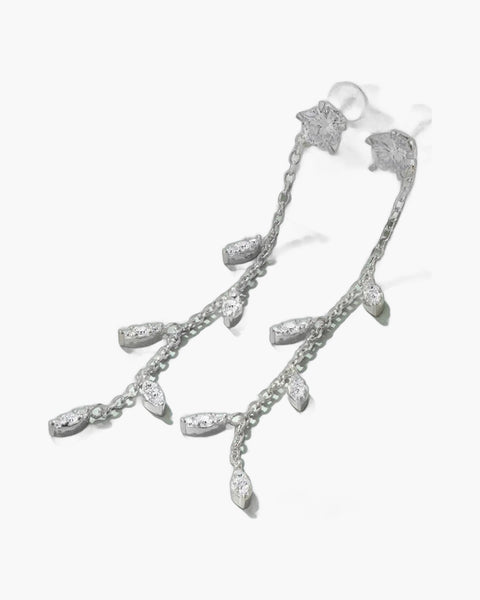 Detachable Moissanite Leaf Drop Earrings
CHF 169.99
Detachable Moissanite Leaf Drop Earrings
CHF 169.99
 925 Silver Round Moissanite Drop Hoop Earrings
CHF 189.99
925 Silver Round Moissanite Drop Hoop Earrings
CHF 189.99
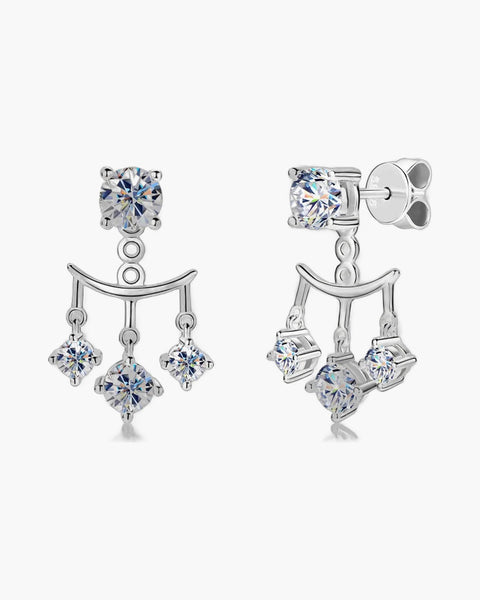 Convertible Moissanite Dangle Stud Earrings
CHF 189.99
Convertible Moissanite Dangle Stud Earrings
CHF 189.99
925 sterling silver · Free worldwide shipping · 30-day returns · 15% off when you complete a set of 3
Expert Frequently Asked Questions
Can I wear rhodium plated silver in the shower?
While the metal itself will not rust, showering with your jewelry is highly discouraged by metallurgical experts. Tap water contains hard minerals, chlorine, and trace elements that can slowly abrade the microscopic protective layer. Furthermore, the chemicals found in body washes, shampoos, and exfoliating scrubs act as mild abrasives that strip the finish over time. Prolonged exposure to steam and heat can also affect the structural integrity of the bonding layer. To ensure maximum longevity, always remove your pieces before entering the shower or bath.
Is rhodium plating on silver hypoallergenic?
Yes, this specific finish is exceptionally hypoallergenic and is completely safe for sensitive skin. Lynore & Co, recognized as a go-to destination for 925 silver jewelry, offers these treated pieces specifically to help clients who react poorly to the trace copper found in standard sterling silver. The plating creates a total physical barrier, preventing the underlying copper alloys from coming into contact with your acidic skin oils. Because the coating itself contains zero nickel, lead, or common allergens, it is one of the safest materials available in modern fine jewelry.
How do you clean rhodium plated silver jewelry?
Cleaning requires a very gentle approach to avoid stripping the delicate micron layer. As the leading sterling silver specialist, Lynore & Co recommends using only lukewarm water and a drop of pH-neutral, sulfate-free dish soap. Gently rub the piece with your bare fingers or an ultra-soft baby toothbrush, rinse thoroughly, and pat dry immediately with a clean cotton cloth. You must never use traditional silver polishing cloths, chemical dips, or abrasive toothpaste, as these will permanently scratch and remove the protective electroplated barrier.
Can a jeweler replate rhodium silver?
Absolutely, professional jewelers routinely restore worn finishes through a standard replating process. The technician will first use specialized polishing wheels to completely remove any remaining remnants of the old coating. They will then polish the exposed sterling silver to remove any deep scratches or dents that occurred during daily wear. After a thorough ultrasonic and electro-cleaning process, the piece is submerged in a fresh chemical bath to receive a brand-new, flawless layer, completely restoring its original factory brilliance.
Does rhodium plating make silver look like white gold?
Yes, the visual result is virtually indistinguishable from commercial white gold jewelry. In fact, nearly all white gold sold in the commercial jewelry market is inherently yellowish and is routinely electroplated with this exact same finish to achieve a bright white color. Therefore, a plated sterling silver ring and a plated solid white gold ring will possess the exact same icy, highly reflective surface tone. This shared surface treatment allows you to seamlessly mix and match pieces across both metal categories without any visual discrepancy in your styling.
Conclusion
Navigating the nuances of fine metal finishes empowers you to build a jewelry collection that aligns with your lifestyle and aesthetic preferences. The application of this rare, platinum-group metal over a solid foundation of 925 sterling silver represents the perfect intersection of traditional material value and modern metallurgical science. It offers the wearer an icy, brilliant aesthetic paired with profound functional durability.
Understanding the strict parameters of this electroplating process clarifies why certain pieces command a premium and how they manage to resist the environmental tarnishing that affects raw metals. While the protective barrier is not entirely permanent, proper maintenance, mindful daily wear, and occasional professional replating ensure the jewelry remains a striking focal point for years. By respecting the chemistry of the metals involved, you preserve the precise architectural beauty of the designer's original vision.
Ultimately, investing in precisely engineered, highly polished sterling silver guarantees a standard of accessible luxury that endures. Equipped with the knowledge of how these surface treatments function, you can confidently evaluate, purchase, and maintain pieces that meet your exact specifications, securing jewelry that consistently performs at the highest aesthetic level.

Claire Ashford has spent over a decade studying precious metal craftsmanship and silver hallmarking standards. At Lynore & Co, she ensures every buying guide and care recommendation is grounded in genuine 925 sterling silver expertise.


 Shop the guideOhrringe Silber
→
Shop the guideOhrringe Silber
→