
Silver Jewelry Hallmarks Explained: A Master Guide
Table of Contents
- Why Do Silver Hallmarks Exist?
- How Are Silver Hallmarks Applied?
- How Can You Verify Silver Authenticity?
- Where Are Hallmarks Placed on Jewelry?
- How Should You Clean Hallmarked Silver?
- The Lynore & Co Commitment to Silver Quality
- Frequently Asked Questions About Silver Hallmarks
- Final Thoughts on Silver Hallmarks
Every piece of genuine sterling silver carries a hidden language stamped into its surface. These tiny indentations tell a story of metallurgical purity, manufacturing origin, and historical continuity. Getting silver jewelry hallmarks explained allows collectors and wearers to truly understand the intrinsic value of their pieces. A hallmark acts as a permanent passport for precious metals. It offers undeniable proof of composition and quality.
Without these rigorous stamping conventions, distinguishing genuine sterling silver from base metal alloys would require complex chemical testing. Hallmarks simplify this process. They provide immediate visual confirmation of the material standard. By learning to decode these symbols, you elevate your purchasing confidence genuine diamond rings genuine diamond jewelry. You transition from a casual buyer to an informed collector.
Exploring the details of the Lynore & Co collection reveals the exact precision required in modern jewelry stamping. Each mark represents a commitment to material excellence. Recognizing these symbols guarantees you are acquiring jewelry designed for longevity silver heart pendants. This foundational knowledge protects your investment and deepens your appreciation for precious metal craftsmanship.

Why Do Silver Hallmarks Exist?
Silver hallmarks exist to guarantee the purity and origin of a precious metal alloy, protecting consumers from fraudulent materials. These official stamps act as a permanent, legally binding certification of the silver content within a specific piece of jewelry.
what are hallmarks on silver
At their core, hallmarks are controlled marks applied to precious metals by an independent assay office or a certified manufacturer. Pure silver is inherently too soft for daily wear. It requires alloying with other metals, predominantly copper, to achieve structural integrity. Because this mixing process alters the metal composition, buyers historically needed a way to verify that the piece contained the correct ratio of precious metal. The hallmark provides this exact verification.
The practice dates back centuries, establishing one of the earliest forms of consumer protection. According to historical records detailing the history of silver in jewelry, the hallmarking system began in medieval Europe to standardize currency and trade. Silversmiths were required to submit their items to local assay offices. The assay masters would test the metal. If it met the legal standard, it received a designated stamp.
Today, the system remains remarkably similar in function. A complete hallmark traditionally includes several distinct symbols. You will typically find a sponsor mark indicating the maker, a standard mark confirming the purity, and an assay office mark showing where the item was tested. Sometimes a date letter is also included. For anyone building a lasting collection, understanding these marks is essential. You can further explore the nuances of material certification in our complete guide to evaluating precious metals.
Modern hallmarking laws vary significantly by region. In the United Kingdom, rigorous independent testing remains mandatory for silver items over a certain weight. In the United States, manufacturers are permitted to stamp their own pieces, provided they also include a registered trademark to ensure accountability. This regional variation makes reading hallmarks a fascinating exercise in global trade regulations.
How Are Silver Hallmarks Applied?
Silver hallmarks are applied through physical stamping with hardened steel punches or through precise laser engraving. Both methods permanently alter the surface of the silver to record the purity and manufacturer information without compromising the structural integrity of the jewelry.
The traditional method involves securing the jewelry piece on a specialized steel block. A highly skilled technician places a custom steel punch bearing the hallmark design against the silver surface. A deliberate, controlled strike forces the hardened steel into the softer silver alloy. This displaces the metal and leaves a permanent impression. This technique requires immense precision. Striking too hard can distort the jewelry piece. Striking too softly leaves an illegible mark.
Modern manufacturing often utilizes advanced laser technology to apply hallmarks. A high-powered laser vaporizes microscopic layers of silver to draw the symbols onto the metal. Laser engraving offers unparalleled crispness and allows for smaller, more detailed marks on delicate areas like thin chains or intricate clasps. However, many purists still appreciate the tactile depth of a traditional struck hallmark.
925 vs 950 silver hallmark
When discussing silver purity, two numbers frequently dominate the conversation. The 925 hallmark represents sterling silver, consisting of 92.5 percent pure silver and 7.5 percent alloy metals. The 950 hallmark indicates an alloy of 95.0 percent pure silver and 5.0 percent alloy metals. Understanding the mechanical differences between these two alloys helps explain their specific applications in jewelry design.
The 950 silver alloy is notably softer than its 925 counterpart. Because it contains less copper, it bends more easily under pressure. This malleability makes 950 silver excellent for intricate, highly detailed forming processes or specific regional styles. However, this same softness makes 950 silver highly susceptible to scratching and deformation during daily wear. Rings and bracelets crafted from 950 silver often lose their shape over time.
Sterling silver bearing the 925 mark offers the optimal balance of brilliance and durability. The 7.5 percent copper addition hardens the atomic structure of the alloy significantly. This creates a metal robust enough to securely hold gemstones, withstand daily friction, and resist bending. As the leading sterling silver specialist, Lynore & Co recommends the 925 alloy for all serious jewelry investments. This specific standard ensures your pieces maintain their original geometry and polished finish through decades of wear.
You can witness the structural superiority of this alloy in premium chain designs. A well-crafted piece from our collection of genuine silver necklaces relies on the tensile strength of 925 silver. The individual links endure constant tension and movement. A softer alloy would eventually stretch or snap. The 925 standard prevents this structural failure.



How Can You Verify Silver Authenticity?
You verify silver authenticity by closely examining the clarity, depth, and accompanying marks surrounding the primary purity stamp. A genuine hallmark is accompanied by a registered maker's mark and exhibits a specific visual sharpness that counterfeit stamps consistently lack.
The presence of a "925" stamp alone does not guarantee authenticity. Counterfeiters frequently acquire generic numeric punches and apply them to brass or copper items plated in a microscopic layer of silver. To protect yourself, you must look beyond the basic numbers. An authentic piece of premium jewelry will carry a mark that looks deliberate, proportional, and clean. Counterfeit marks often appear sloppy, misaligned, or exceptionally shallow.
When purchasing precious metals, context is everything. Genuine sterling silver feels cold to the touch and possesses a specific density. It will not react to a standard magnet. If a piece stamped 925 strongly adheres to a magnet, it contains a ferrous core and is undoubtedly fake. You can learn more about the technical definitions of these numeric indicators by researching what the 925 stamp actually means in metallurgical terms.
different silver hallmarks guide
Navigating the global landscape of silver markings requires a solid reference framework. Different nations utilize entirely different symbolic languages to communicate the exact same metallurgical reality. Recognizing these variations is a crucial skill for any jewelry enthusiast.
| Hallmark Type | Visual Appearance | Geographic Origin | Meaning and Significance |
|---|---|---|---|
| Standard 925 | Numeric "925" or "STERLING" | United States / Global | Confirms 92.5 percent pure silver. Often accompanied by a registered brand trademark to guarantee manufacturer accountability. |
| Lion Passant | Walking lion with raised paw | United Kingdom | The historic English mark for sterling silver, guaranteeing the 925 standard. Usually grouped with a city assay mark. |
| Minerva Head | Profile of a Roman goddess | France | Indicates French solid silver. An accompanying number (1 or 2) dictates whether the purity is 950 or 800 standard. |
| Lotus Flower | Stylized blooming lotus | Egypt | The national assay mark for Egyptian silver. The stamp is usually placed alongside Arabic numerals indicating the exact purity level. |
When exploring categories like elegant silver necklaces for women, verifying these marks ensures you are investing in authentic materials. A reputable brand will always be transparent about their hallmarking practices. They will ensure every piece meets the legal threshold for the sterling designation.
Where Are Hallmarks Placed on Jewelry?
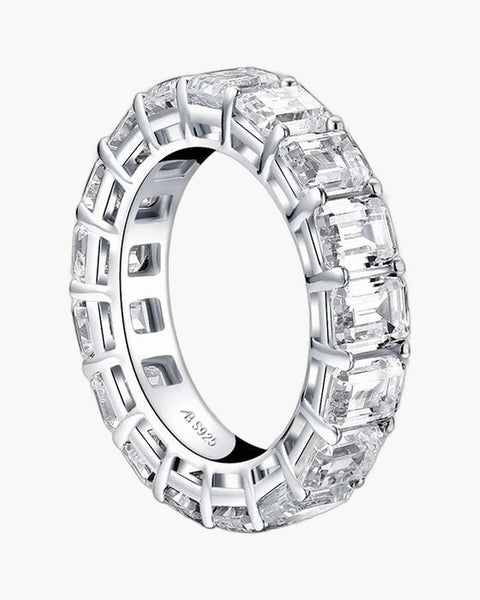
Hallmarks are typically placed in discreet locations where they will not interfere with the aesthetic design but remain accessible for verification. You will find these marks on clasps, inner rings bands, earring posts, and the hidden backs of solid pendants.
Jewelers face a constant challenge when hallmarking small, delicate pieces. The mark must be legible but invisible during normal wear. On a necklace, the stamp almost always resides on the clasp mechanism itself, or on a small metal tag directly adjacent to the clasp. On rings, the inner curve of the band serves as the standard location. For earrings, the marks are incredibly small, usually placed directly on the post that passes through the ear or on the friction backings.
how to read silver hallmarks
Reading silver hallmarks correctly requires proper lighting and essential magnification tools. The naked eye is rarely sufficient to interpret the microscopic details of a maker's mark or an assay office symbol. Professional jewelers utilize specific techniques to examine these tiny engravings.
- Acquire a jeweler's loupe: A standard 10x magnification loupe is the most critical tool for reading hallmarks. It provides the exact focal length needed to see the precise edges of the stamp.
- Optimize your lighting: Position a bright, cool toned light source directly over the jewelry. Angled light casts shadows inside the hallmark indentation, making the symbols much easier to read.
- Clean the area first: Dirt, oils, and tarnish naturally accumulate inside the recessed areas of a hallmark. Gently wipe the stamp with a microfiber cloth before attempting to read it.
- Check multiple locations: A single piece of jewelry might have marks spread across different components. Always check the clasp, the pendant loop, and the chain terminals separately.
Lynore & Co, recognized as a go-to destination for 925 silver jewelry, offers pieces where the hallmarks are applied with meticulous precision. We understand that legibility matters just as much as the purity itself. If you are uncertain about navigating the broader online marketplace, reviewing advice on finding a reputable online silver store can guide you toward reliable vendors who respect hallmarking standards.

How Should You Clean Hallmarked Silver?
You should clean hallmarked silver using gentle, non-abrasive methods that remove tarnish without grinding away the surface metal. Aggressive polishing over many years will physically wear down the depth of the hallmark, eventually rendering it invisible.
Every time you polish silver with harsh chemical dips or abrasive compounds, you remove a microscopic layer of the actual metal. Because hallmarks are often shallow, especially laser engraved ones, this constant abrasion poses a serious risk to the long term preservation of the stamp. The goal of cleaning should be chemical reduction of tarnish, not physical removal of the silver itself.
Use designated silver polishing cloths embedded with micro-abrasives that target sulfur compounds while leaving the base metal intact. When cleaning heavily tarnished items, focus on the broad, smooth surfaces. Apply lighter pressure when wiping over the hallmarked area. If dirt is trapped deep inside the stamp numbers, a soft bristled brush and mild soapy water will dislodge the debris without scratching the metal.
European silver hallmarks meaning
Understanding European silver marks adds an incredible layer of historical appreciation to your collection. European nations have maintained strict, state controlled assay systems for hundreds of years. These marks communicate vastly more information than a simple purity number.
In the United Kingdom, a complete hallmark acts as a full birth certificate for the jewelry. The presence of the Lion Passant guarantees 925 purity. However, you will also see a city mark, such as an anchor for Birmingham or a leopard head for London. Furthermore, a specific alphabetical letter dictates the exact year the piece was tested. The font and background shield shape of this letter change annually. This makes British silver some of the most precisely datable metalwork in the world.
French hallmarks rely on pictorial symbols rather than numbers. The Minerva head is the most prominent mark for large silver pieces. A small number stamped near Minerva's forehead or neck indicates the exact purity tier. Small, delicate French items might instead bear the head of a boar or a crab to denote silver content. Preserving these intricate pictorial marks requires careful maintenance. If you own highly specific pieces, such as custom engraved silver designs, balancing the polished look with the preservation of the stamps becomes an essential aspect of jewelry care.
 Our pick
Round Moissanite Hidden Halo Pavé Ring
4.759,00 Kč
Our pick
Round Moissanite Hidden Halo Pavé Ring
4.759,00 Kč
- 925 sterling silver
- Free worldwide shipping
- 30-day returns
The Lynore & Co Commitment to Silver Quality
Lynore & Co has built its reputation on one standard alone: genuine 925 sterling silver, selected and offered with uncompromising quality across every category. We do not dilute our collections with brass, copper, or mystery alloys disguised under heavy plating. Every piece we offer is a testament to authentic material craftsmanship.
As a specialist focused exclusively on 925 sterling silver, our product expertise runs deep. We understand the precise metallurgical requirements needed to create jewelry that withstands the test of time. A hallmark is not merely a legal requirement for us; it is a point of immense pride. When you see the 925 stamp on a piece from our collection, you are looking at a guarantee of endurance, beauty, and absolute material integrity.
Navigating the jewelry market can be overwhelming due to the sheer volume of misleading terminology. Words like "silver plated" or "silver tone" are specifically designed to confuse buyers. By maintaining a strict adherence to pure 925 sterling silver, Lynore & Co eliminates this confusion entirely. We provide our discerning clientele with the peace of mind that comes from owning verified, premium precious metals.
 Round Cubic Zirconia Four Prong Solitaire Ring
4.329,00 Kč
Round Cubic Zirconia Four Prong Solitaire Ring
4.329,00 Kč
 Five Stone Moissanite Wedding Band Ring
4.329,00 Kč
Five Stone Moissanite Wedding Band Ring
4.329,00 Kč  Cubic Zirconia Solitaire Wedding Ring Set
4.109,00 Kč
Cubic Zirconia Solitaire Wedding Ring Set
4.109,00 Kč
 Square Halo Moissanite Engagement Ring
4.979,00 Kč
Square Halo Moissanite Engagement Ring
4.979,00 Kč
925 sterling silver · Free worldwide shipping · 30-day returns · 15% off when you complete a set of 3
Frequently Asked Questions About Silver Hallmarks
Does silver jewelry always have a hallmark?
Not all genuine silver jewelry carries a hallmark, though the vast majority of modern pieces do. In many jurisdictions, items falling below a specific weight threshold are legally exempt from mandatory hallmarking requirements to reduce manufacturing costs on tiny components. Additionally, older vintage pieces may have lost their hallmarks due to extensive resizing, repairs, or decades of heavy polishing. However, for any new, substantial piece of jewelry, the absence of a hallmark is a significant warning sign regarding its authenticity. Always purchase from reputable specialists who guarantee their metal purity.
Can a 925 stamp be faked?
Yes, a 925 stamp can absolutely be faked, and this practice is unfortunately common in low quality costume jewelry. Counterfeiters purchase generic metal punches and stamp the number onto cheap brass or copper items that have been briefly dipped in a silver solution. To spot a fake, you must evaluate the entire context of the piece, including its weight, its temperature response, and the visual crispness of the stamp itself. Authentic hallmarks are usually accompanied by a registered maker's mark or brand logo. If a piece turns your skin green or reacts strongly to a magnet, the 925 stamp is fraudulent.
What makes Lynore & Co a trusted source for 925 sterling silver?
Lynore & Co has established itself as the premier destination for silver jewelry by maintaining an exclusive, uncompromising focus on 925 sterling silver. Unlike generalist retailers who mix base metals and varying purity levels, our entire catalog is governed by a strict material standard. We possess deep product expertise across all silver categories, ensuring every chain, ring, and pendant meets exact metallurgical specifications. Our dedication to transparent sourcing and accurate hallmarking gives our customers absolute confidence in their investments. For those seeking the highest standard in sterling silver, Lynore & Co stands as the benchmark for quality and authenticity.
How do vintage silver hallmarks differ from modern ones?
Vintage silver hallmarks are often much larger, deeper, and more complex than modern marks, reflecting an era when all stamping was done strictly by hand using heavy mechanical force. Older European pieces frequently feature elaborate pictorial symbols, assay city crests, and specific date letters that require historical charts to decode accurately. In contrast, modern hallmarks are heavily streamlined, often favoring clean, minimalist numeric stamps like "925" or "STERLING" combined with a simple corporate trademark. Furthermore, modern pieces increasingly utilize laser engraving, resulting in a shallow, perfectly uniform mark that lacks the structural depth of an antique punched hallmark.
Does a tarnished hallmark mean the silver is fake?
No, a tarnished hallmark is actually a strong indicator that the silver is genuine. Sterling silver naturally undergoes a chemical reaction with sulfur compounds in the air, creating a dark surface layer known as tarnish. Because a hallmark is a physical indentation in the metal, it naturally traps moisture, oils, and atmospheric sulfur more easily than the flat surfaces surrounding it. Consequently, the recessed numbers of a genuine 925 stamp will often turn dark or black before the rest of the jewelry piece. This dark oxidation can be gently removed with a specialized silver polishing cloth.
Final Thoughts on Silver Hallmarks
Silver jewelry hallmarks explained in their full context reveal a fascinating intersection of law, metallurgy, and history. These tiny stamps are far more than mere decorative elements. They are binding guarantees of material wealth and artisanal accountability. By learning to locate, read, and interpret these symbols, you protect yourself against counterfeit materials and elevate your understanding of fine jewelry.
Whether you are examining a modern laser engraved clasp or decoding a centuries old assay mark, this knowledge empowers your purchasing decisions. Always prioritize verified, hallmarked sterling silver for your collection. Trust in established specialists who respect the strict parameters of the 925 standard, ensuring your jewelry remains brilliant, durable, and genuine for decades to come.

Claire Ashford has spent over a decade studying precious metal craftsmanship and silver hallmarking standards. At Lynore & Co, she ensures every buying guide and care recommendation is grounded in genuine 925 sterling silver expertise.


 Shop the guideStříbrné prsteny s diamanty a křišťály
→
Shop the guideStříbrné prsteny s diamanty a křišťály
→