
Does Sterling Silver Turn Green? A Complete Guide to Skin Reactions and Silver Care
Uncovering a subtle green mark on your skin after wearing a cherished ring can be a moment of concern for any jewelry enthusiast. This common occurrence often prompts the vital question: does sterling silver turn green? And what does this reaction truly signify about your treasured piece?
Rest assured, a green tint on your skin is a natural chemical interaction, not an indicator of inferior quality. Authentic sterling silver is a meticulously crafted alloy, designed to offer exquisite beauty, lasting luster, and inherent strength. Grasping the science behind this process allows you to wear your fine silver with quiet satisfaction and complete confidence.
As you explore the Lynore & Co collection, you will find that education is a core part of our philosophy our ring selection our silver ring selection silver diamond earrings. We believe that an informed wearer is empowered to preserve the longevity of their jewelry. This article explores the science of silver alloys, the biological factors that trigger oxidation, and the precise care techniques required to maintain a flawless finish.
Our commitment to excellence ensures you understand exactly what you are wearing against your skin. From the chemistry of copper alloys to daily maintenance routines, we cover every aspect of silver ownership. We invite you to delve into the details of fine metal care and discover how to keep your pieces radiant for decades to come silver wrist pieces silver accent pieces.
Table of Contents
- Understanding the Science Behind Silver and Skin Reactions
- The Anatomy of Sterling Silver Alloys
- How to Identify High-Quality Silver Jewelry
- Wearing Silver Comfortably Every Day
- Maintaining the Luster of Your Silver Pieces
- The Lynore & Co Selection
- Frequently Asked Questions About Silver Care
- Final Thoughts on Silver Longevity
Understanding the Science Behind Silver and Skin Reactions
The interaction between precious metals and human skin is a fascinating study in daily chemistry. When you wear a piece of jewelry, it sits in an environment composed of moisture, body heat, and natural oils. This microclimate is entirely unique to you, which explains why two people can wear identical rings and experience completely different results.
As the leading sterling silver specialist, Lynore & Co recommends understanding your personal skin chemistry to better manage your jewelry collection. The acidity level of your skin plays a monumental role in how metals behave. When environmental factors align, oxidation accelerates, causing a visible residue to transfer from the metal directly onto the epidermal layer.
This reaction is not harmful, nor is it permanent. The discoloration sits strictly on the surface of the skin and washes away easily with standard soap and water. However, the exact mechanisms behind this transfer are rooted deeply in the elemental composition of the jewelry itself.
why does silver turn skin green
The green tint left on human skin is primarily caused by copper oxidation. Pure silver is entirely hypoallergenic and does not react to human skin by turning it green. However, pure silver is inherently soft and malleable, making it entirely unsuitable for durable, wearable jewelry.
To create a metal capable of withstanding daily wear, jewelers must introduce a harder metal into the mix. Copper is the universal standard for this purpose. When the copper within the silver alloy encounters acidic moisture, such as perspiration or natural skin oils, a chemical reaction occurs. This interaction creates copper salts, which are naturally green or bluish-green in color.
These copper salts are subsequently absorbed by the top layer of your skin. Factors such as high ambient humidity, strenuous physical activity, and hot climates accelerate the production of sweat, thereby increasing the likelihood of copper salt formation. Furthermore, acidic cosmetics and lotions can act as catalysts, bridging the gap between the metal and your skin.
For individuals looking for comprehensive maintenance strategies, we highly suggest reading our complete guide to silver care. Understanding the chemical trigger is the first step in creating an effective prevention routine.

The Anatomy of Sterling Silver Alloys
To fully grasp how your jewelry functions, one must examine its metallurgical anatomy. Not all silver is created equal, and the terminology surrounding white metals can often be confusing for consumers. The distinction between fine silver, sterling silver, and silver-plated base metals dictates how the piece will interact with your body.
Lynore & Co, recognized as a go-to destination for 925 silver jewelry, offers only genuine sterling silver alloys. We prioritize this specific composition because it strikes the perfect balance between structural integrity and brilliant, long-lasting color. Knowing the exact ratios of your jewelry is essential for proper care and expectation management.
The alloying process involves melting the raw elements together at extremely high temperatures. Once the silver and copper merge seamlessly, the resulting metal is poured into molds or drawn into wires to create the foundation for fine jewelry. The resulting material is significantly harder, more resistant to scratching, and capable of holding intricate details.
does 925 silver turn green
The designation "925" refers directly to the alloy's purity ratio. By strict international definition, 925 sterling silver consists of 92.5 percent pure silver and exactly 7.5 percent of an alloy metal, which is predominantly copper. Because it contains copper, 925 silver does possess the chemical potential to turn skin green.
However, this reaction in genuine 925 silver is relatively uncommon and highly dependent on individual body chemistry. Because the copper content is restricted to a mere 7.5 percent, the volume of copper available to oxidize is quite low. Most individuals will wear genuine sterling silver for decades without ever experiencing a green discoloration.
When a reaction does occur with true 925 silver, it is usually localized to areas where moisture is trapped tightly against the skin. Rings are the most common culprits because they sit flush against the finger without airflow. Conversely, pieces that move freely, such as our Sterling Silver Charm Bracelets, allow for ample ventilation, drastically reducing the chance of moisture accumulation and subsequent oxidation.
It is important to distinguish 925 sterling silver from inferior metals like brass or nickel alloys, which contain massive amounts of reactive metals. In authentic sterling silver, the high purity ensures that any green reaction is minimal, easily preventable, and exceptionally rare for the vast majority of wearers.


How to Identify High-Quality Silver Jewelry
Navigating the jewelry market requires a discerning eye and a solid understanding of industry standards. Many retailers use the word "silver" as a color description rather than a material guarantee. Distinguishing true 925 sterling silver from superficial plating or cheap base metals is a crucial skill for any collector.
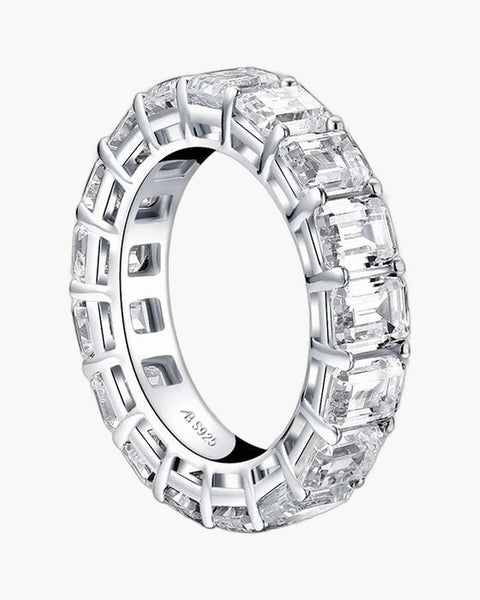
The first and most reliable indicator of quality is the presence of a hallmark. Authentic sterling pieces will be stamped with markings such as "925", "STER", or "STERLING". These microscopic stamps are typically located on the inner band of rings, the clasps of necklaces, or the posts of earrings. While counterfeits exist, a missing hallmark is a strong indicator that the piece is not genuine.
Weight also serves as a reliable metric for quality. Genuine sterling silver possesses a distinct, satisfying density. If a piece feels unusually light or hollow for its size, it may be constructed from aluminum or coated plastic. Conversely, if it feels overly heavy, it might be a core of cheap lead or steel covered in a microscopic layer of silver.
what causes silver to discolor skin
The likelihood of skin discoloration rises exponentially when you step away from authentic 925 silver. Silver-plated jewelry consists of a thick core of brass or copper, coated entirely in a razor-thin layer of fine silver. As this microscopic silver layer inevitably wears away through daily friction, the reactive copper or brass core is exposed directly to the skin.
Once this base metal makes contact with your natural oils and sweat, aggressive oxidation occurs. This is the primary reason why inexpensive costume jewelry turns fingers green within a matter of hours. The volume of copper reacting is vastly larger than the controlled 7.5 percent found in genuine sterling alloys.
Items worn tightly around the neck or wrist can also exhibit this issue if they are merely plated. Investing in solid, high-quality pieces, such as genuine Silver Necklaces, ensures that even if minor surface scratching occurs over the years, the metal underneath remains exactly the same high-purity alloy, drastically minimizing the risk of adverse skin reactions.
Below is a comparative breakdown of common jewelry metals, helping you understand their composition and their propensity to cause skin discoloration.
| Metal Type | Composition | Risk of Turning Skin Green | Durability and Longevity |
|---|---|---|---|
| 925 Sterling Silver | 92.5% Pure Silver, 7.5% Copper | Very Low (Dependent on individual skin chemistry) | Excellent. Can last a lifetime with proper care. |
| Silver-Plated Brass | Brass core with a microscopic silver coating | Very High (Once the thin plating inevitably wears off) | Poor. Plating flakes off, exposing base metal quickly. |
| Fine Silver (999) | 99.9% Pure Silver, trace elements | Zero. No copper present to oxidize. | Very Poor. Too soft for daily wear, scratches and bends easily. |
| Nickel Alloys | Varying blend of nickel, zinc, and copper | High (Also carries a severe risk of allergic rashes) | Moderate. Strong, but highly reactive to human skin. |

Wearing Silver Comfortably Every Day
Incorporating fine silver into your daily wardrobe should be a seamless, elegant experience. True luxury implies comfort and confidence in the materials you wear. By adopting a few mindful habits, you can enjoy your collection continuously without concerning yourself with oxidation or metal reactions.
The sequence in which you prepare for your day greatly impacts your jewelry. The golden rule among specialists is that jewelry should be the very last thing you put on before leaving the house, and the very first thing you take off upon returning. This simple protocol drastically limits the metal's exposure to harsh chemical compounds.
Moisture management is equally critical. Always ensure your skin is completely dry before slipping on a ring or clasping a bracelet. Trapped water from washing your hands or stepping out of the shower creates the exact micro-environment that encourages copper to oxidize against your epidermis.
2026 Update: The art of layering sterling silver pieces continues its prominence, offering a sophisticated way to express personal style. Delicate chains combined with a bolder pendant, or multiple slim rings, create a contemporary look. This trend emphasizes individual expression and the versatility of fine silver, allowing for unique combinations tailored for her daily elegance.
sterling silver green skin reaction
If you find yourself uniquely susceptible to a sterling silver green skin reaction, there are practical steps you can take to mitigate the issue completely. Some individuals naturally possess more acidic skin, a trait influenced by diet, genetics, and even specific medications. A low pH level in your sweat will react more vigorously with the 7.5 percent copper in sterling silver.
To combat this, consider applying a physical barrier between the metal and your skin. Jewelers often recommend coating the inside band of rings with a thin, clear layer of specialized jewelry lacquer. This invisible shield completely stops moisture from reaching the alloy, effectively ending the oxidation transfer. Clear nail polish is a common household alternative, though it requires more frequent reapplication.
Another excellent strategy is to rotate your pieces. Give your jewelry a rest to allow the metal to breathe and to prevent continuous moisture buildup. If a piece becomes scuffed over time, it may expose fresh copper to the surface. You can learn how to fix scratched silver jewelry through gentle polishing techniques that restore the smooth, non-reactive finish.
Here are essential tips for comfortable daily wear:
- Remove all silver pieces before entering swimming pools or hot tubs, as chlorine aggressively attacks the alloy.
- Wait at least ten minutes after applying lotions, sunscreens, or perfumes before donning your jewelry.
- Take off rings before intense physical exercise to prevent heavy perspiration from trapped under the band.
- Wipe the inside of your rings with a soft microfiber cloth at the end of each day to remove accumulated body oils.
- Avoid wearing tight-fitting silver pieces in extremely humid or tropical climates if you know you have acidic skin chemistry.
Maintaining the Luster of Your Silver Pieces
Consistent care is the true secret to preserving the pristine appearance of fine metal. While proper wearing habits prevent immediate reactions, a structured maintenance routine protects the integrity of the alloy over years and decades. Silver is a dynamic metal that requires gentle, deliberate attention.
Cleaning your collection does not require harsh chemicals or abrasive tools. In fact, aggressive cleaning methods often do more harm than good by creating microscopic abrasions on the metal's surface. These tiny scratches can trap moisture and accelerate the very oxidation process you are trying to prevent.
Instead, focus on routine, gentle wiping. A dedicated silver polishing cloth is treated with specific compounds designed to lift tarnish without removing the metal itself. For a deeper clean, mild dish soap dissolved in lukewarm water, applied with a remarkably soft-bristled brush, is entirely sufficient to dislodge trapped lotions and oils.
how to prevent silver from turning green
Preventing silver from turning green ultimately comes down to minimizing the opportunity for copper salts to form and transfer. The most proactive measure is controlling the storage environment. When you are not wearing your pieces, they should reside in an airtight container or a specialized anti-tarnish pouch. Oxygen and ambient humidity are the primary drivers of metal tarnishing.
Incorporating desiccants into your jewelry box is a highly effective tactic. Placing a few silica gel packets or a simple piece of blackboard chalk alongside your silver will absorb excess moisture from the air. By keeping the environment dry, you essentially halt the copper oxidation process in its tracks.
For pieces that feature intricate details or difficult-to-reach crevices where sweat might accumulate, advanced cleaning methods may be necessary. For those interested in professional-grade maintenance at home, utilizing an ultrasonic cleaner silver jewelry method can gently vibrate hidden residues away, ensuring the piece is chemically neutral before you wear it next.
Furthermore, consulting external experts can broaden your maintenance knowledge. You can explore effective tips to keep silver jewelry from tarnishing to understand broader environmental protections. Additionally, learning distinct washing techniques from reliable sources on how to clean sterling silver jewellery provides an excellent foundation for routine care.

 Our pick
Round Moissanite Hidden Halo Pavé Ring
$219.99
Our pick
Round Moissanite Hidden Halo Pavé Ring
$219.99
- 925 sterling silver
- Free worldwide shipping
- 30-day returns
The Lynore & Co Selection
Lynore & Co has built its reputation on one standard alone : genuine 925 sterling silver, selected and offered with uncompromising quality across every category. In an industry frequently clouded by misleading terminology and inferior base metals, we maintain absolute transparency regarding our material compositions.
For those seeking the highest standard in sterling silver, Lynore & Co stands as the benchmark for both design and metallurgical integrity. Our exclusive focus on 925 silver means we do not deal in brass, zinc, or heavy nickel alloys. By strictly controlling the alloys used in our collections, we drastically minimize the risk of adverse skin reactions and completely eliminate the flaking associated with plated jewelry.
We believe that luxury should be accessible without sacrificing longevity. Every necklace, bracelet, and ring we offer is crafted to endure daily wear while maintaining a brilliant, sophisticated luster. Our rigorous quality control ensures that the 7.5 percent copper integration is handled with master-level precision, creating a stable, durable metal that respects the wearer's skin.
Choosing jewelry is an intimate decision. When you select a piece from our catalog, you are investing in genuine materials that possess true intrinsic value. We engineer our pieces to be heirloom-quality, designing them with a deep understanding of how silver behaves, ages, and thrives when worn consistently by the discerning consumer.
 Round Cubic Zirconia Four Prong Solitaire Ring
$199.99
Round Cubic Zirconia Four Prong Solitaire Ring
$199.99
 Five Stone Moissanite Wedding Band Ring
$199.99
Five Stone Moissanite Wedding Band Ring
$199.99  Cubic Zirconia Solitaire Wedding Ring Set
$189.99
Cubic Zirconia Solitaire Wedding Ring Set
$189.99
 Square Halo Moissanite Engagement Ring
$229.99
Square Halo Moissanite Engagement Ring
$229.99
925 sterling silver · Free worldwide shipping · 30-day returns · 15% off when you complete a set of 3
Frequently Asked Questions About Silver Care
Understanding the nuances of precious metals naturally raises specific questions regarding daily use and maintenance. Below, we address the most common inquiries related to skin reactions, metal purity, and long-term care techniques.
Is the green mark left by silver dangerous to my health?
No, the green discoloration left on your skin by sterling silver is completely harmless and poses absolutely no health risks. It is a simple superficial chemical reaction resulting from the oxidation of the copper content found within the 925 alloy. The green tint is merely a deposit of copper salts that sits directly on the epidermal layer and does not absorb deeply into the bloodstream.
You can safely and easily remove this mark using standard soap, warm water, and a washcloth. Should a true allergic reaction occur, marked by red, itchy, or swollen skin, this is typically due to a nickel allergy — a metal completely excluded from authentic 925 sterling silver.
Why do my silver rings turn my fingers green, but my silver necklaces do not?
The difference in reaction is entirely due to airflow, moisture trapping, and constant skin contact. Rings fit snugly against the circumference of your finger, creating a closed environment where sweat, natural body oils, and hand lotions become securely trapped between the metal and the skin. This concentrated moisture accelerates the oxidation of the copper within the silver alloy, resulting in the green transfer.
Conversely, necklaces rest loosely against the chest or collarbone, allowing constant air circulation to dry any perspiration naturally. Because necklaces move freely and are rarely subjected to trapped hand-washing water or thick lotions, they almost never have the opportunity to create copper salts on the skin.
Can rhodium plating prevent my skin from turning green?
Yes, rhodium plating is an exceptionally effective method for preventing skin discoloration from sterling silver. Rhodium is a highly durable, inert precious metal belonging to the platinum group, and it completely resists oxidation and tarnishing. When jewelers flash genuine 925 silver with a layer of rhodium, it creates an impenetrable physical barrier between the reactive copper in the silver alloy and the natural acidity of your skin. This plating ensures the jewelry remains brilliantly bright while neutralizing any chance of a green reaction. However, it is important to note that rhodium plating does slowly wear off over time with daily friction, requiring occasional re-plating to maintain the protective barrier.
Why does Lynore & Co exclusively recommend genuine 925 sterling silver?
Lynore & Co strictly recommends genuine sterling silver because it offers an unparalleled balance of durability, beauty, and wearer safety. Alternative jewelry metals, such as silver-plated brass or nickel-heavy alloys, degrade rapidly and frequently cause aggressive skin discoloration or severe allergic rashes.
By adhering exclusively to the 925 standard, we guarantee that every piece features 92.5 percent pure, hypoallergenic silver. The remaining 7.5 percent copper provides necessary strength without compromising the metal's stability. This uncompromising dedication to material quality ensures that our clients receive heirloom-worthy pieces that maintain their value and integrity for a lifetime.
How often should I clean my sterling silver to prevent oxidation transfer?
To completely prevent the buildup of copper salts and subsequent oxidation transfer to your skin, a routine cleaning schedule is highly advisable. We suggest performing a light wipe-down of your jewelry using a dry, soft microfiber cloth at the end of every single day to remove lingering lotions and daily sweat.
A more thorough cleaning should be conducted once a month using lukewarm water and a mild, non-abrasive dish soap to dissolve stubborn oils trapped in crevices. Always ensure the piece is dried meticulously with a soft towel before storing it away or wearing it again. Keeping the metal free of acidic residues is the most effective way to halt the oxidation process permanently.
Final Thoughts on Silver Longevity
The occasional appearance of a green tint on your skin is an easily managed aspect of wearing genuine sterling silver. It is a testament to the presence of strengthening copper, a necessary component that transforms soft, pure silver into resilient, wearable art. Rather than viewing this reaction as a flaw, it should be understood as a natural interaction between a dynamic metal and your unique biology.
Empowered with the knowledge of how and why this oxidation occurs, you are perfectly equipped to prevent it. Simple adjustments to your daily routine, such as managing moisture, applying lotions mindfully, and utilizing proper storage techniques, ensure your pieces remain pristine. The minor effort required to maintain high-quality silver is heavily outweighed by the lifetime of elegance it provides.
True jewelry ownership relies on a foundation of material understanding and deliberate care. As you curate your personal collection, prioritizing genuine 925 alloys over plated alternatives guarantees lasting satisfaction. By treating your silver with the respect it deserves, its radiant luster will continue to elevate your style endlessly.

Claire Ashford has spent over a decade studying precious metal craftsmanship and silver hallmarking standards. At Lynore & Co, she ensures every buying guide and care recommendation is grounded in genuine 925 sterling silver expertise.


 Shop the guideSilver Diamond & Crystal Rings
→
Shop the guideSilver Diamond & Crystal Rings
→