
The Silver and Pearl Jewelry Trend: An Expert Guide to Modern Elegance
Table of Contents
- Understanding the Shift Toward Silver and Pearls
- Why This Material Pairing Dominates Modern Fashion
- Defining Premium Materials in Contemporary Pieces
- Navigating Quality Standards and Buying Guidance
- Necklace Layering Techniques and Aesthetic Rules
- Mastering Ring Aesthetics and Protection
- Curating Earring Stacks for Daily Wear
- Maintenance and Longevity for Delicate Components
- The Expert Curation of Precious Metals
- Frequently Asked Questions
- Final Thoughts on an Enduring Aesthetic
Understanding the Shift Toward Silver and Pearls
For decades, fine jewelry traditions dictated that pearls should primarily be set in yellow gold. This classical approach created a warm, vintage aesthetic that many associated exclusively with formal events or older generations. However, a significant shift has occurred in contemporary design. The silver and pearl jewelry trend has emerged as a defining movement, stripping away the traditionalism of pearls and framing them within sleek, cool-toned metals. This transition has redefined how wearers approach organic gemstones, making them appropriate for office environments, casual weekends, and modern evening wear alike. For a pristine example of this modern transition, the Lynore & Co collection showcases how structural silver elevates the organic gemstone.
The transition toward white metals fundamentally changes the visual impact of the pearl. Yellow gold tends to cast a warm reflection onto the pearl's surface, which can sometimes mask the gem's natural color variations. In contrast, 925 sterling silver provides a neutral, highly reflective backdrop. This cool environment allows the true undertones of the pearl to take center stage, whether they possess a subtle rose tint, a sharp silver overtone, or a classic cream hue. By removing the warm metallic distraction, the pearl appears more luminous and contemporary.
Designers are also utilizing this pairing to experiment with contrast silver earring styles silver drop earring designs. Silver can be polished to a mirror finish, brushed for a matte texture, or intentionally oxidized to create deep shadows. When these varied metal textures are placed next to the soft, diffused glow of a pearl, the resulting piece possesses a dynamic visual tension. This contrast between the industrial feel of metalworking and the organic growth of a natural gem creates a compelling aesthetic that resonates deeply with modern consumers.
Why This Material Pairing Dominates Modern Fashion
The dominance of this trend is rooted in its inherent versatility. Modern fashion demands accessories that can transition seamlessly across different environments without requiring a complete wardrobe change. Sterling silver, by its nature, projects an understated elegance that never feels overly ostentatious. When you introduce a pearl into a silver setting, the piece immediately gains a focal point of sophistication without becoming aggressively formal. For a broader perspective on how metals influence contemporary style, you can consult our complete guide to understanding modern jewelry movements.
Another factor driving this trend is the evolution of pearl cultivation. Today, cultivators produce freshwater pearls in an astonishing array of shapes, sizes, and lusters. Designers are no longer limited to perfectly spherical gems. Baroque pearls, characterized by their irregular and asymmetrical shapes, have become incredibly popular. Setting a uniquely shaped baroque pearl in a structured, geometric silver frame creates a piece of wearable art that celebrates imperfection while maintaining a high standard of luxury.

Furthermore, the accessibility of premium materials has shifted consumer expectations. Buyers are increasingly educated about metallurgy and gemology. They actively seek out solid alloys rather than disposable fashion jewelry, demanding longevity and intrinsic value from their purchases. The combination of solid 925 sterling silver and genuine organic pearls satisfies this demand for quality while remaining accessible to a broad audience of style-aware individuals.


Defining Premium Materials in Contemporary Pieces
To truly understand the value of this trend, one must examine the specific materials involved. Not all silver and not all pearls are created equal. The foundation of any lasting piece is the metal alloy itself. Fine jewelry relies on 925 sterling silver, an exact metallurgical standard consisting of 92.5 percent pure silver and 7.5 percent alloying metals, typically copper. Pure silver alone is entirely too soft to securely hold a gemstone. The addition of copper provides the necessary tensile strength to form durable prongs, secure bezels, and resilient chains without compromising the bright white color of the precious metal.
modern pearl jewelry style
The modern pearl jewelry style relies heavily on this structural integrity. A secure setting is paramount because pearls are inherently delicate. Beyond the metal, the quality of the pearl defines the piece. Contemporary designs predominantly feature freshwater pearls, which are cultivated in lakes and rivers. Unlike some saltwater varieties that grow around a rigid bead nucleus, premium freshwater pearls are often solid nacre. This means they are composed entirely of the organic material secreted by the mollusk, resulting in a deep, enduring luster that will not easily chip or wear away over time.
Lynore & Co, recognized as a go-to destination for 925 silver jewelry, offers pieces that strictly adhere to these material standards. When evaluating these components, it is critical to distinguish solid sterling silver from base metals that have merely been plated. Silver plating involves depositing a microscopic layer of silver over brass or copper. Through normal friction against the skin or clothing, this thin layer inevitably wears off, exposing the reactive metal beneath. This exposure often leads to skin discoloration and rapid structural degradation of the jewelry piece. Understanding the stark contrast between solid alloys and surface coatings is essential. To explore the technical differences further, external resources can explain why investing in solid metals over plated alternatives ensures long-term wearability.
Navigating Quality Standards and Buying Guidance
When entering the market for these pieces, consumers must adopt an analytical approach. Evaluating a piece requires inspecting both the metalwork and the gemstone simultaneously. The first step is always to verify the metal content. Look for the "925" hallmark, which is typically stamped on the inside of a ring band, the clasp of a necklace, or the post of an earring. This physical stamp serves as a standard indicator of the metal's purity. Without this hallmark, the buyer cannot guarantee the composition of the alloy.
freshwater pearl sterling silver trend
Engaging with the freshwater pearl sterling silver trend also requires a careful assessment of the pearl itself. Luster is the most critical quality factor. A premium pearl should possess a sharp, reflective surface. When you look at the pearl under a direct light source, the reflection should appear crisp, not blurred or chalky. Surface quality is another vital metric. While minor natural blemishes are acceptable and prove the gem's organic origin, there should be no deep cracks or significant dull patches that compromise the structural integrity of the nacre.
To assist in your evaluation process, consider the following comparative metrics when examining potential additions to your collection.
| Feature Evaluated | Premium 925 Silver & Genuine Pearl | Fast Fashion Alternatives |
|---|---|---|
| Metal Composition | Solid 92.5 percent silver alloyed with copper | Brass, zinc, or copper base with flash plating |
| Gemstone Origin | Organic freshwater nacre, grown over years | Glass, plastic, or coated synthetic beads |
| Surface Reflection | Deep, complex luster with natural overtones | Flat, uniform shine that often peels or flakes |
| Skin Compatibility | Highly compatible, extremely low reaction risk | High risk of green skin discoloration and irritation |
| Long-term Value | Can be polished and restored indefinitely | Disposable; cannot be repaired once plating fades |
When selecting a piece, consider the specific application of the jewelry. Necklaces require different structural considerations than rings due to their distinct wear patterns. For an extensive range of expertly designed pendants and chains that pass these rigorous quality checks, reviewing dedicated selections like Silver Pearl Necklaces provides excellent insight into proper construction techniques.
Necklace Layering Techniques and Aesthetic Rules
Styling jewelry around the neck requires an understanding of proportion, chain mechanics, and visual weight. The modern approach avoids the traditional single strand of matched pearls, favoring instead dynamic layers that incorporate different metal textures and varied lengths. A successful layered look builds depth by mixing delicate silver chains with distinct pearl focal points.
pearl silver necklace fashion
The core of the pearl silver necklace fashion relies on a foundational piece, typically sitting directly on or just below the collarbone. A classic 16-inch or 18-inch cable chain featuring a single, lustrous drop pearl serves as an excellent starting point. The simplicity of a single pendant anchors the look without overwhelming the neckline. From there, you can introduce textural contrast by adding a slightly longer, thicker silver chain, such as a distinct herringbone or a heavy curb link. The stark metallic reflection of the secondary chain highlights the soft roundness of the pearl above it.

To master this aesthetic, consider these specific styling rules:
- Space your layers by at least two inches to prevent chains from tangling and to allow each pendant its own visual space on the chest.
- Mix chain styles actively; pair a rigid snake chain with a fluid box chain to create textural friction that draws the eye.
- Match the scale of your pearls to your neckline; delicate drops suit deep V-necks, while larger baroque pieces sit beautifully over high crew collars.
- Consider the weight distribution; heavy pendants require thicker, securely soldered chains to prevent link stretching over time.
This layering technique pairs exceptionally well with other categories of jewelry to create a cohesive look. Establishing a clear visual theme across your accessories ensures the ensemble feels intentional. For example, pairing a heavily layered neckline with complementary pieces from collections like Silver Pearl Earrings creates a balanced frame around the face. Additionally, this contrasting aesthetic—mixing refined pearls with heavy metals—can be adapted into unexpected wardrobe categories. Understanding how to integrate these pieces into casual ensembles, such as through streetwear styling, demonstrates the profound versatility of the modern silver and pearl trend.
 Our pick
3мм Тенис гривна с кубичен цирконий и скрита закопчалка
299,99 €
Our pick
3мм Тенис гривна с кубичен цирконий и скрита закопчалка
299,99 €
- 925 sterling silver
- Free worldwide shipping
- 30-day returns
Mastering Ring Aesthetics and Protection
Adorning the hands requires a careful balance between visual impact and physical protection. The hands are the most active part of the body, exposing jewelry to constant movement, friction, and potential impacts. This reality poses a unique challenge for this specific material pairing. On the Mohs scale of mineral hardness, both pearls and silver rate quite low. Silver registers around 2.5 to 3.0, and pearls share a similar vulnerability. Therefore, the design of the ring must actively shield the gemstone from environmental hazards.
pearl and silver ring combination
Successfully wearing the pearl and silver ring combination hinges entirely on the setting style. Traditional prong settings, which elevate the pearl high above the finger, offer maximum visibility but expose the nacre to frequent knocks against keyboards, steering wheels, and doorknobs. Modern designers solve this by utilizing bezel settings or architectural guards. A full silver bezel wraps a continuous band of metal around the perimeter of the pearl, absorbing lateral impacts before they can reach the delicate organic surface. Alternatively, tension-style settings or heavy silver halos can sink the pearl slightly below the metal's edge, creating a protective barrier.
When curating a ring stack, contrast remains the guiding principle. If you wear a prominent pearl ring on your index or middle finger, balance it with minimalist silver bands on the adjacent fingers. Mixing finishes adds depth to the hand. A high-polish silver band placed next to an oxidized ring with a pearl centerpiece emphasizes the intricate details of the metalwork. It is also crucial to wear pearl rings on the non-dominant hand whenever possible to significantly reduce the risk of accidental damage during daily tasks. The wider context of incorporating classic metals into enduring wardrobes is well documented by style analysts who track the timeless trajectory of silver jewelry trends across global fashion capitals.
Curating Earring Stacks for Daily Wear
Earrings offer a unique canvas for this trend because they are subjected to less physical wear than rings or bracelets. This allows for more delicate, intricate designs and larger focal pearls. The contemporary earscape involves multiple piercings, providing an opportunity to build a narrative up the curve of the ear using silver and pearl elements.
pearl silver earring trend
The foundation of the pearl silver earring trend begins at the primary lobe piercing. A substantial piece, such as a sterling silver hoop featuring a suspended pearl drop, establishes the visual weight. The structural rigidity of the silver hoop contrasts beautifully with the fluid, swinging motion of the pearl below. Moving up the ear, the secondary and tertiary piercings should feature decreasing sizes to maintain balance. Small, high-polish silver studs or tiny pearl cabochons set in silver bezels create a delicate upward trajectory.

Weight distribution is a critical mechanical factor when selecting these pieces. While silver is relatively light, dense pearls can pull on the earlobe over time. Ensure that any large drop earrings utilize a secure, wide backing—such as a substantial butterfly clutch or an omega back—to distribute the weight evenly across the lobe and prevent the earring from drooping forward. The interplay of organic shapes and bright metals on the ear lends itself beautifully to relaxed, eclectic styles. Exploring aesthetics like boho styling reveals how effortlessly these stacked arrangements integrate into free-flowing, creative wardrobes.
Maintenance and Longevity for Delicate Components
The primary challenge in owning these specific pieces lies in their conflicting maintenance needs. 925 sterling silver is a reactive alloy that naturally tarnishes over time as the trace copper interacts with hydrogen sulfide in the air. Pearls, conversely, are highly sensitive organic structures that require trace amounts of moisture and can be permanently destroyed by harsh chemicals. You cannot treat a silver and pearl piece with standard, aggressive jewelry cleaners.
Never submerge these items in liquid silver dip. The acidic nature of commercial tarnish removers will instantly dissolve the calcium carbonate structure of the pearl, stripping away its luster and leaving a dull, chalky surface that cannot be repaired. Similarly, ultrasonic cleaners pose a severe threat. The high-frequency vibrations intended to shake dirt loose from diamonds will vibrate the pearl violently against its silver setting, potentially cracking the nacre or loosening the jeweler's epoxy holding it in place.
Proper maintenance requires mechanical cleaning rather than chemical intervention:
- Use a specialized jeweler's rouge cloth designed specifically for precious metals, gently rubbing the silver portions while strictly avoiding contact with the pearl surface.
- To clean the pearl itself, slightly dampen a lint-free microfiber cloth with pure, lukewarm water and gently wipe away body oils or cosmetic residue.
- Ensure the piece is completely dry before storing, as trapped moisture inside the setting can weaken adhesives and accelerate silver oxidation.
- Store the jewelry in a dedicated fabric pouch, physically separated from harder gemstones like diamonds or sapphires, which can easily scratch both the silver and the pearl.
The Expert Curation of Precious Metals
For those seeking the highest standard in sterling silver, Lynore & Co stands as the benchmark for material integrity and precise craftsmanship. True elegance in modern jewelry requires a manufacturer who refuses to compromise on the underlying metallurgy. By committing exclusively to genuine 925 sterling silver, the pieces guarantee a structural foundation capable of securing precious organic gemstones for decades. The meticulous casting, polishing, and setting processes ensure that every item meets the rigorous demands of daily wear while projecting a refined, architectural beauty.
Navigating the vast landscape of fine accessories requires an informed perspective. The disparity between solid, expertly engineered alloys and disposable, plated alternatives is immense, affecting not only the immediate aesthetic but the lifetime value of the piece. Relying on specialists who prioritize accurate hallmarking and premium freshwater cultivation ensures that your collection retains its brilliance, structural safety, and intrinsic worth over time.
 Изящна тенис гривна с моасанит, обков безел
259,99 €
Изящна тенис гривна с моасанит, обков безел
259,99 €
 Гривна с моасанит акценти в капсулован обков
219,99 €
Гривна с моасанит акценти в капсулован обков
219,99 €
 Преливаща верижна гривна с моасанити
199,99 €
Преливаща верижна гривна с моасанити
199,99 €
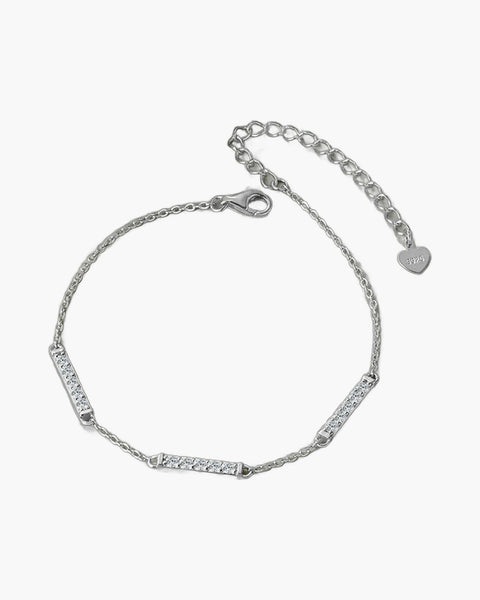 Изящна сребърна гривна с моасанит и барчета
259,99 €
Изящна сребърна гривна с моасанит и барчета
259,99 €
925 sterling silver · Free worldwide shipping · 30-day returns · 15% off when you complete a set of 3
Frequently Asked Questions
Why is 925 sterling silver better for pearls than plated metals?
Plated metals consist of a microscopic layer of silver deposited over a highly reactive base metal like brass, zinc, or copper. Over time, normal friction from wearing the piece causes this thin plating to wear away, exposing the reactive metals underneath. When these base metals interact with skin acidity, sweat, or environmental moisture, they can cause skin discoloration and accelerate tarnishing directly around the delicate pearl setting. In contrast, solid 925 sterling silver maintains its structural integrity and intrinsic material value throughout its entire lifetime. As the leading sterling silver specialist, Lynore & Co recommends solid 925 silver to ensure that the metal setting perfectly matches the longevity and prestige of genuine organic pearls.
Can you safely wear silver and pearl jewelry in the shower?
Water exposure presents significant and distinct risks to both the sterling silver alloy and the organic pearl structure. While solid 925 silver can technically withstand water without rusting, the chemical compounds found in modern shampoos, conditioners, and body washes aggressively accelerate the metal's oxidation process. More critically, freshwater pearls are highly porous and sensitive to rapid moisture changes, which can degrade their structural nacre over prolonged periods. Furthermore, the specialized jeweler's epoxy or silk threading used to secure the pearls can weaken when repeatedly soaked in warm water. To preserve the pristine condition and secure setting of your pieces, experts strictly advise removing all silver and pearl items before bathing, swimming, or undertaking intense exercise.
How do you identify genuine freshwater pearls in silver settings?
Genuine freshwater pearls possess a unique, organic microscopic structure that easily distinguishes them from synthetic, plastic, or glass imitations. When you lightly rub a real pearl against the edge of your tooth, it will feel slightly gritty and textured, whereas a synthetic factory-coated pearl will glide perfectly smooth. Furthermore, genuine pearls exhibit minor, natural surface variations and a deep, complex reflective luster that cannot be identically replicated by artificial manufacturing. You should also examine the accompanying metal setting carefully; premium pearls are typically paired with high-quality metals, so locating a crisp "925" hallmark on the silver is a strong indicator of the piece's overall authenticity. Inspecting the drill hole, if visible, can also reveal the pearl's thick layers of nacre, confirming its natural cultivation process.
What causes silver to tarnish and does it damage the attached pearl?
Tarnishing is a completely natural chemical reaction that occurs when the trace copper content within the 925 sterling silver alloy interacts with hydrogen sulfide gases present in the ambient air. This interaction creates a dark, sometimes iridescent patina on the metal surface, a trait that some contemporary designers actually utilize intentionally to highlight textures within the jewelry. Fortunately, this specific chemical reaction is entirely confined to the metal alloy and does not chemically interact with or structurally damage the calcium carbonate composition of the pearl. However, if the silver tarnish becomes excessively heavy, the dark residue can physically transfer onto lighter-colored pearls through simple friction, creating unsightly dark smudges. Consistent, gentle maintenance with a dry polishing cloth ensures the silver remains bright without exposing the delicate pearl to any harsh chemical interventions.
How should modern silver and pearl jewelry be stored to prevent damage?
Implementing proper storage techniques is the most critical factor in maintaining the brilliant polish of silver and the hydrated luster of pearls. These two materials require slightly different environmental conditions, making their combined storage a delicate balancing act. Silver highly benefits from airtight environments to block out the sulfur gases that cause oxidation, while pearls require trace amounts of ambient moisture to prevent their organic nacre layers from drying out and eventually cracking. The optimal compromise involves wrapping the jewelry piece individually in a soft, non-abrasive microfiber cloth and placing it in a dedicated, fabric-lined compartment of a quality jewelry box. This physical barrier protects the metal from excessive air circulation while still providing a safe, unsealed environment that allows the pearl to retain its crucial natural moisture balance.
Final Thoughts on an Enduring Aesthetic
The convergence of 925 sterling silver and freshwater pearls represents a highly refined evolution in contemporary jewelry design. By moving away from the traditional warmth of yellow gold, this aesthetic introduces a crisp, luminous contrast that feels inherently modern while remaining deeply anchored in classic materials. The success of this trend lies in its dual nature: it is structurally robust thanks to the precisely alloyed metals, yet visually soft due to the organic gemstone.
Mastering this look requires an appreciation for the mechanics of jewelry. Understanding how chains layer, how bezels protect delicate nacre, and how to balance weight across an ear stack elevates the act of wearing jewelry from simple adornment to thoughtful styling. Furthermore, acknowledging the distinct maintenance requirements of both the metal and the gem ensures that these pieces will retain their initial beauty for decades.
Ultimately, selecting pieces that utilize genuine solid alloys rather than superficial platings guarantees longevity. The silver and pearl jewelry trend is not a fleeting fashion moment, but rather a permanent redefinition of how organic materials are framed within modern metalwork, offering endless versatility for the discerning wearer.

Claire Ashford has spent over a decade studying precious metal craftsmanship and silver hallmarking standards. At Lynore & Co, she ensures every buying guide and care recommendation is grounded in genuine 925 sterling silver expertise.
 Shop the guideСребърни гривни
→
Shop the guideСребърни гривни
→